
SEATTLE – As William Wordsworth and, in a different register, Lord Byron suggested, powerful experiences often require distance and reflection before they can be fully understood. That guidance feels especially apt while reflecting on the 40th anniversary of the Spring Mysteries Festival, an event that resists immediate summary because of its intensity, ambition, and emotional range.
Now in its fourth decade, the Spring Mysteries Festival, organized by the Aquarian Tabernacle Church (ATC), continues to demonstrate not only longevity but relevance. In a religious landscape where many Pagan festivals come and go, Spring Mysteries has endured by maintaining a clear and distinctive purpose: to create an immersive, initiatory experience rooted in myth, embodiment, and communal ritual. The milestone anniversary underscored that this is not simply a festival that has survived; it is one that has remained meaningful to successive generations of participants.
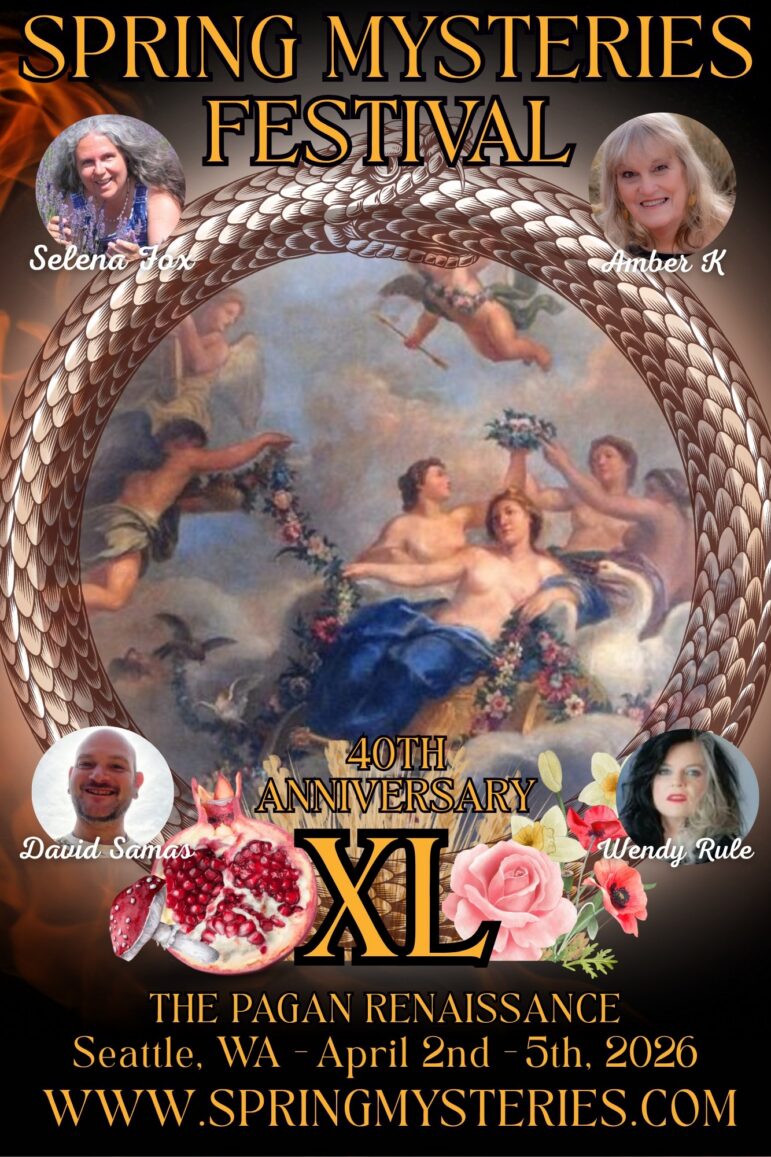
Marking the significance of the 40th anniversary, this year’s gathering drew several well-known figures in contemporary Paganism. Among the featured guests whose long-standing contributions to teaching, ritual practice, and community leadership added depth to the weekend’s programming were Rev. Selena Fox of Circle Sanctuary, along with Amber K and Azrael Arynn K of Ardantane.
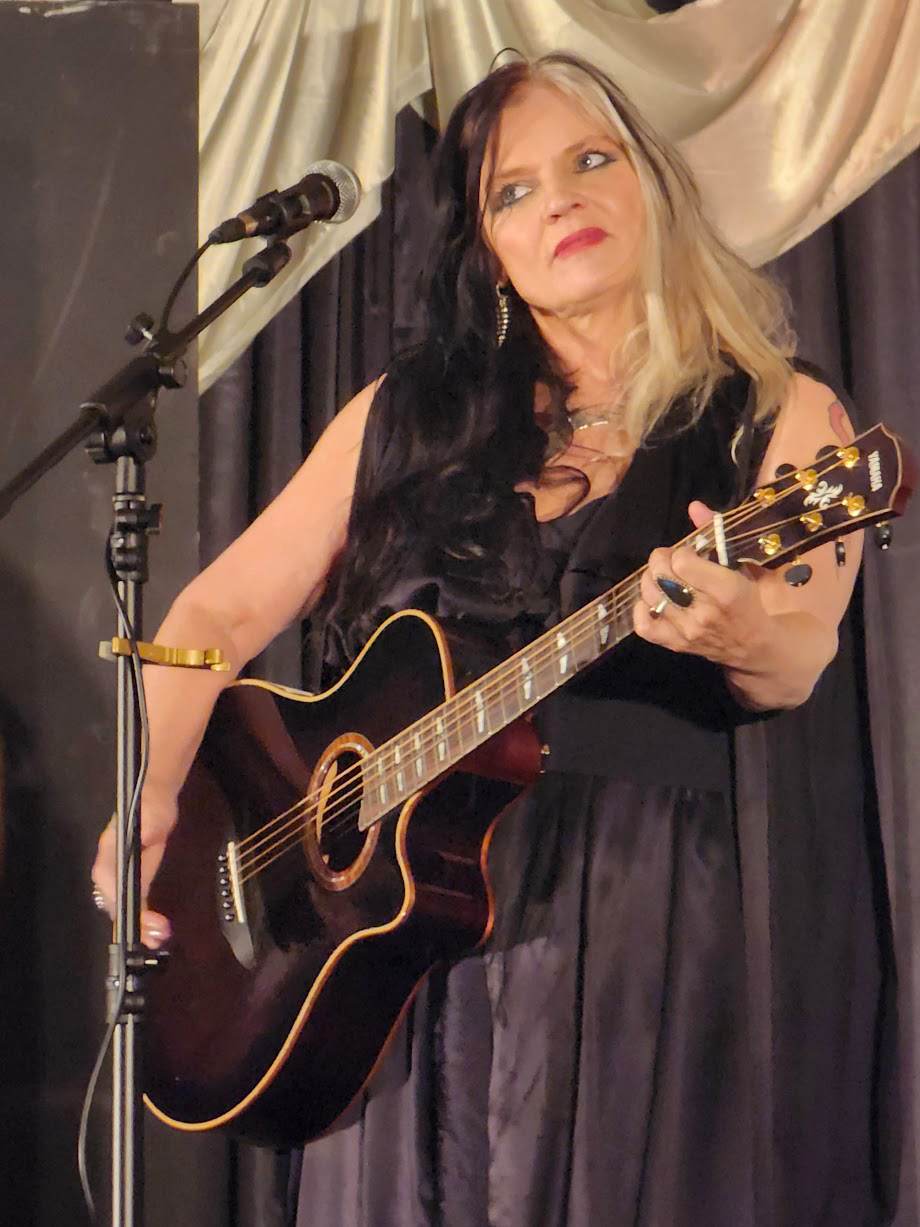
Wendy Rule and Celia Farran were ever-present, offering both planned performances and spontaneous musical moments that enriched the emotional and ritual atmosphere. These contributions, both structured and emergent, reinforced the festival’s immersive and ecstatic character, where story, devotion, and artistry continuously intersect.
Unlike many Pagan gatherings that organize themselves into tracks, practical magic, scholarship, ritual technique, or community dialogue, Spring Mysteries takes a different approach. While workshops and vendors are present (and of the usual great quality), they are an additional draw.
The festival is structured as a continuous, unfolding experience. Participants are not merely attendees choosing from a menu of options; they are part of a shared narrative that unfolds over the course of the weekend.
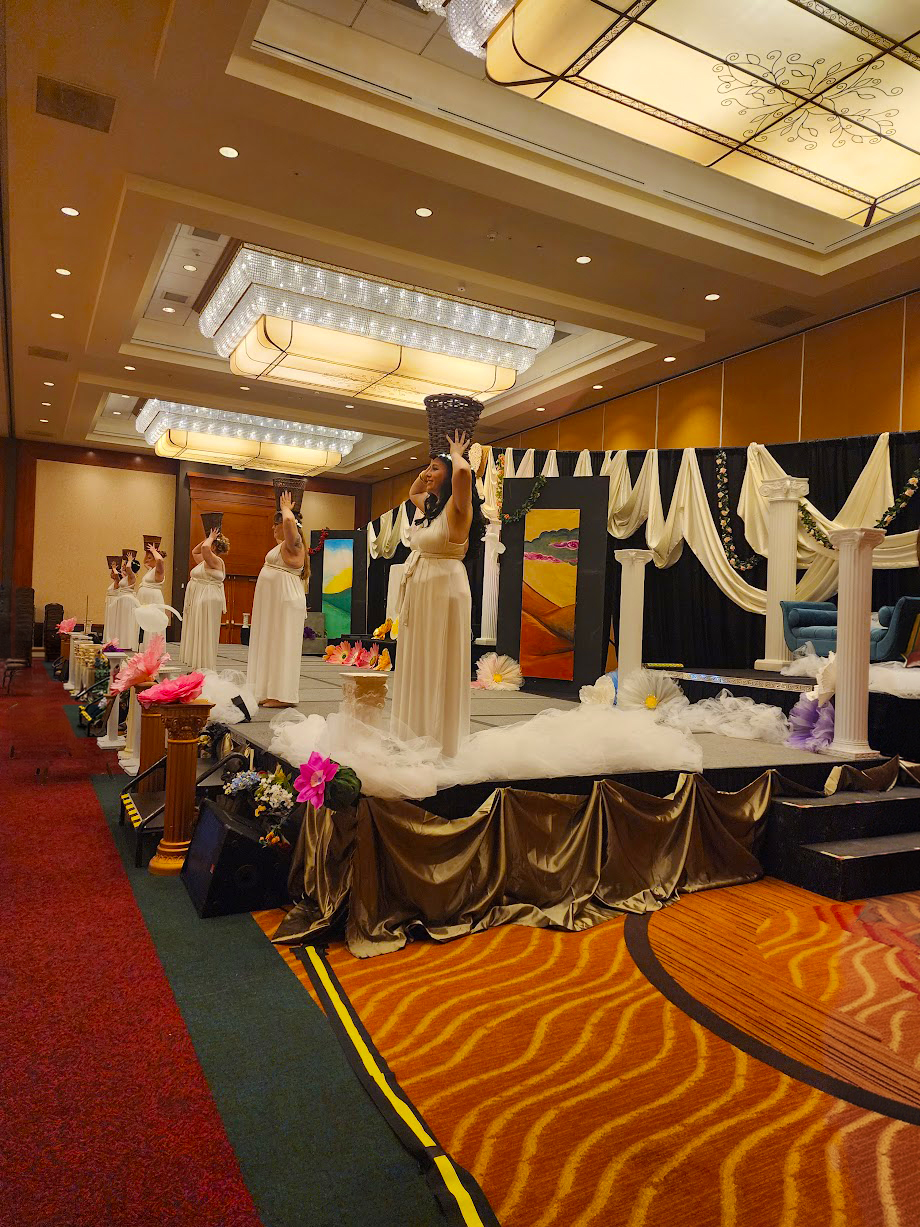
At its core, Spring Mysteries is an immersive retelling of the journey of Persephone. The story is explored first through the lens of Demeter, the grieving mother navigating loss, and then through Persephone herself, whose journey into the underworld becomes one of transformation and return. The structure evokes ancient Greek mystery traditions, and at times resembles a five-act drama complete with chorus, ritual movement, and symbolic staging. Yet to describe it as theater alone would be misleading. The organizers intentionally move beyond performance into something closer to participatory ritual.
This distinction is crucial. The Aquarian Tabernacle Church, which hosts the festival, has long emphasized experiential spirituality within modern Pagan practice. Founded in the 1970s, ATC is one of the oldest Wiccan churches in the United States, with a focus on public ritual, clergy training, and community engagement. Spring Mysteries reflects that ethos. It is not designed as a spectacle for passive observation, but as an initiatory container in which participants engage directly with divine presence.
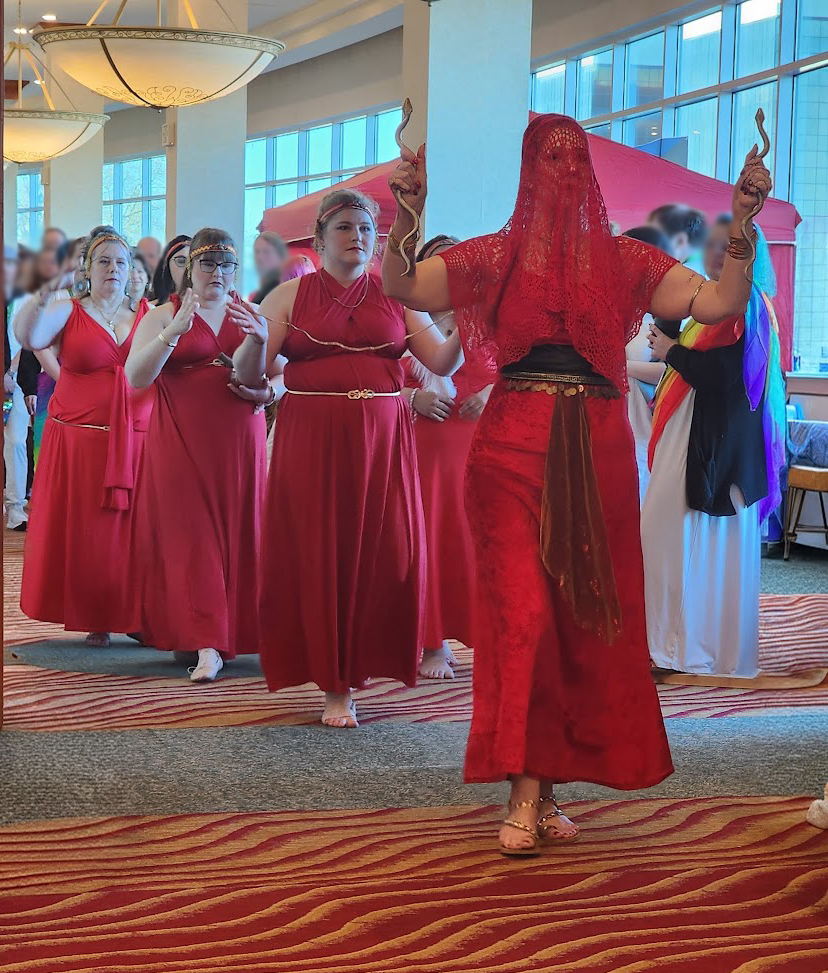
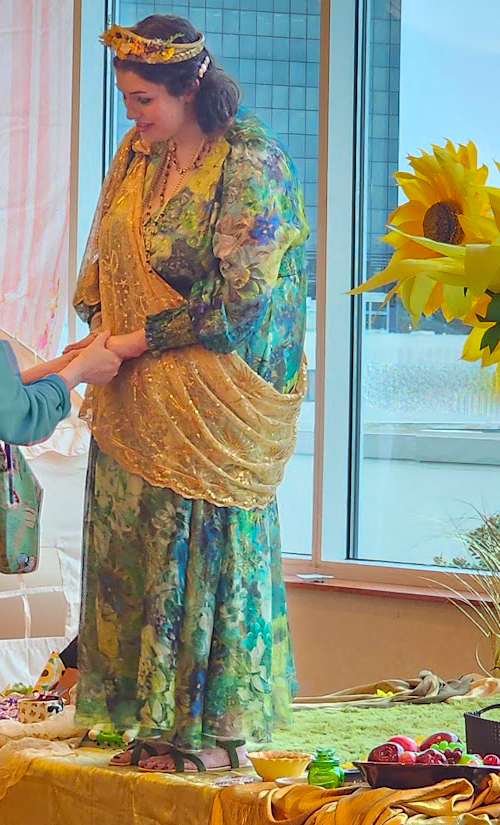
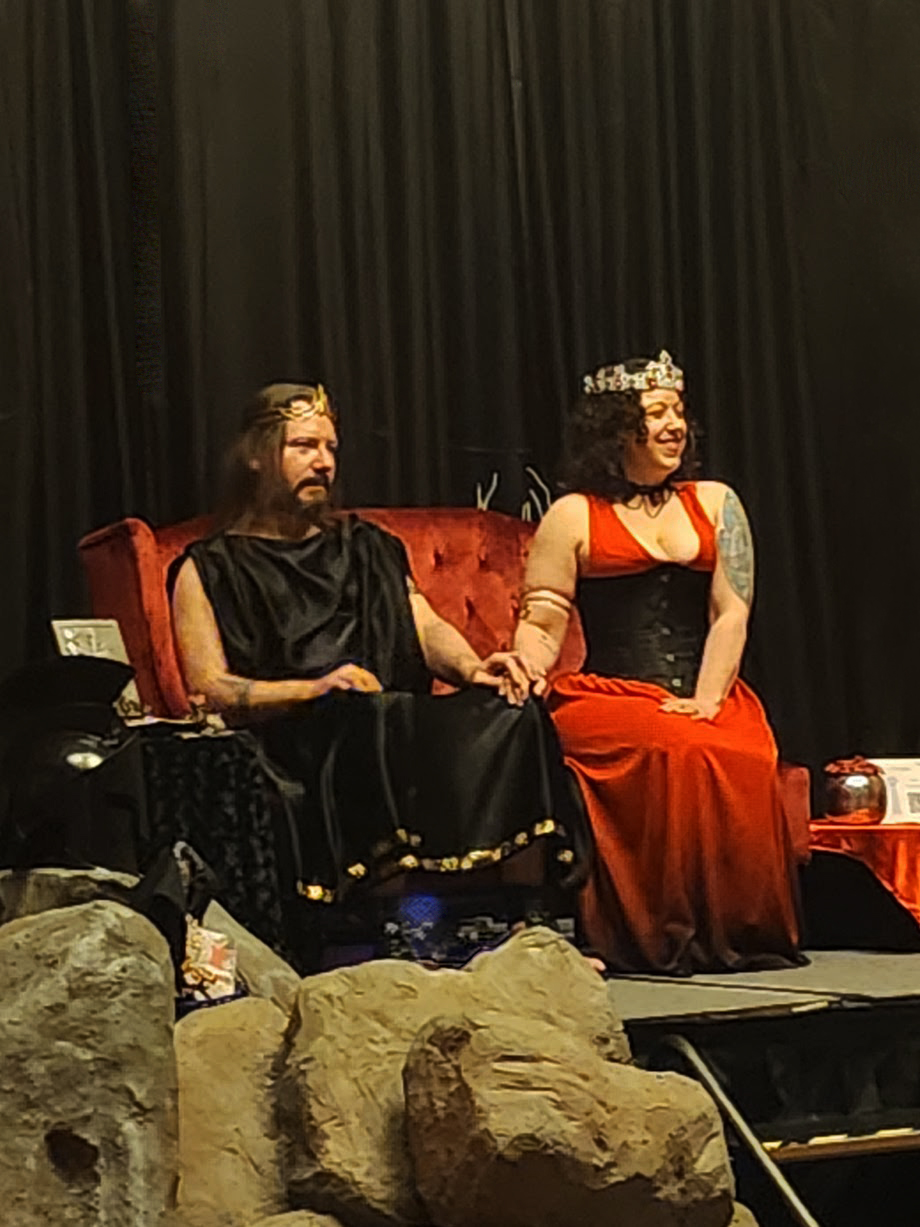
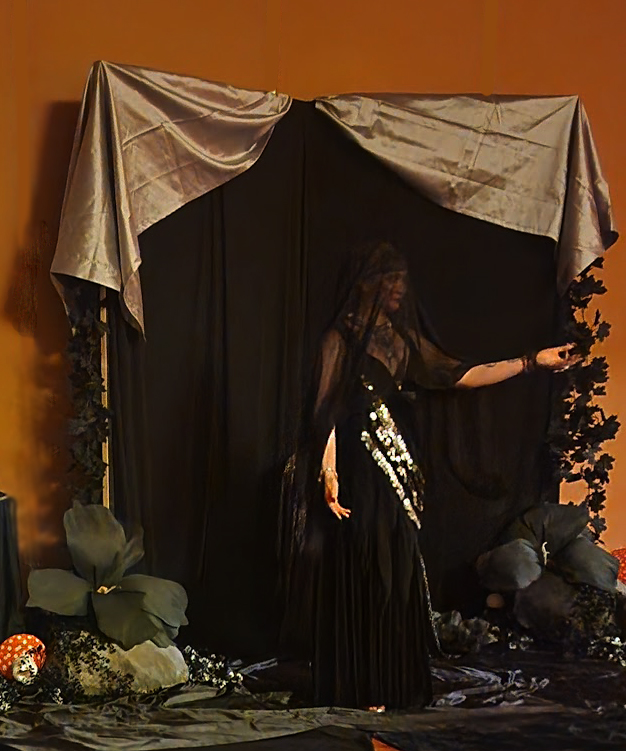
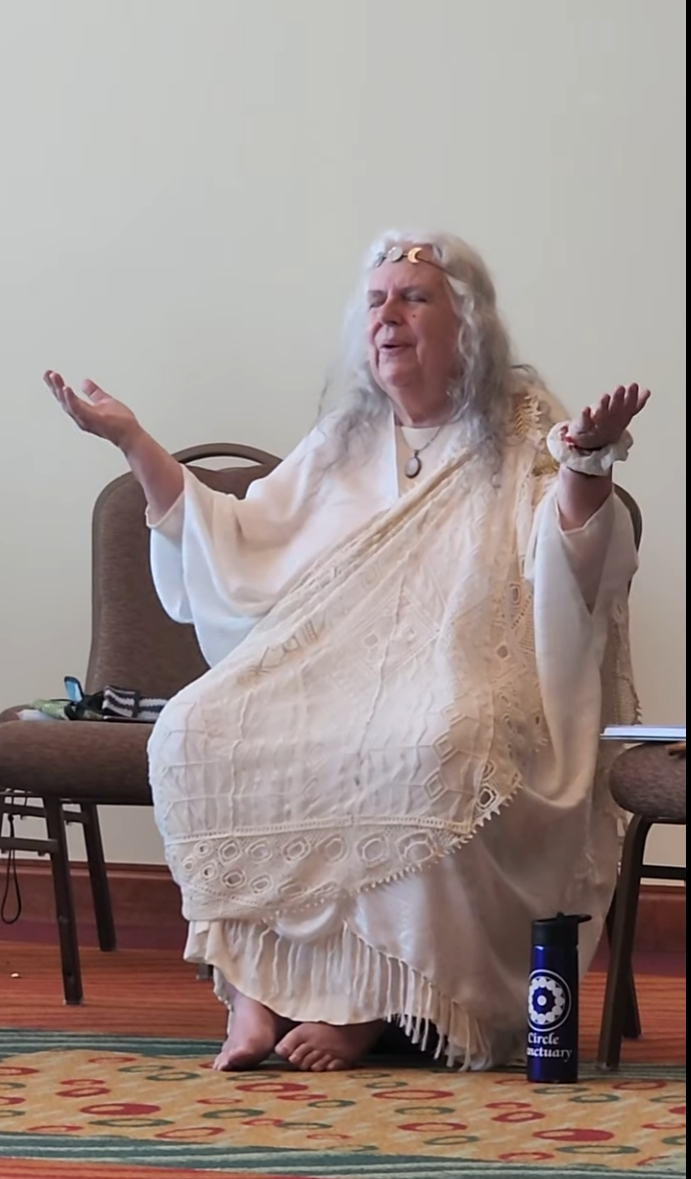
Central to this experience are the “Vessels,” individuals who undergo preparation to embody specific deities within the festival’s ritual framework. This preparation is not a theatrical rehearsal; it involves psychological, emotional, and spiritual work intended to support a form of controlled invocation often described in Pagan traditions as “drawing down.” The expectation is not that participants suspend disbelief, but that they engage sincerely with encountering the divine through human intermediaries.
Participants are invited to interact with these Vessels in structured settings, often in shrine spaces dedicated to particular deities. These interactions are necessarily time-limited, both to preserve the well-being of the Vessels and to maintain the intensity of the experience. Nevertheless, they form one of the most distinctive elements of Spring Mysteries. For many, these spiritual exchanges provide moments of reflection, inspiration, affirmation, and even challenge.
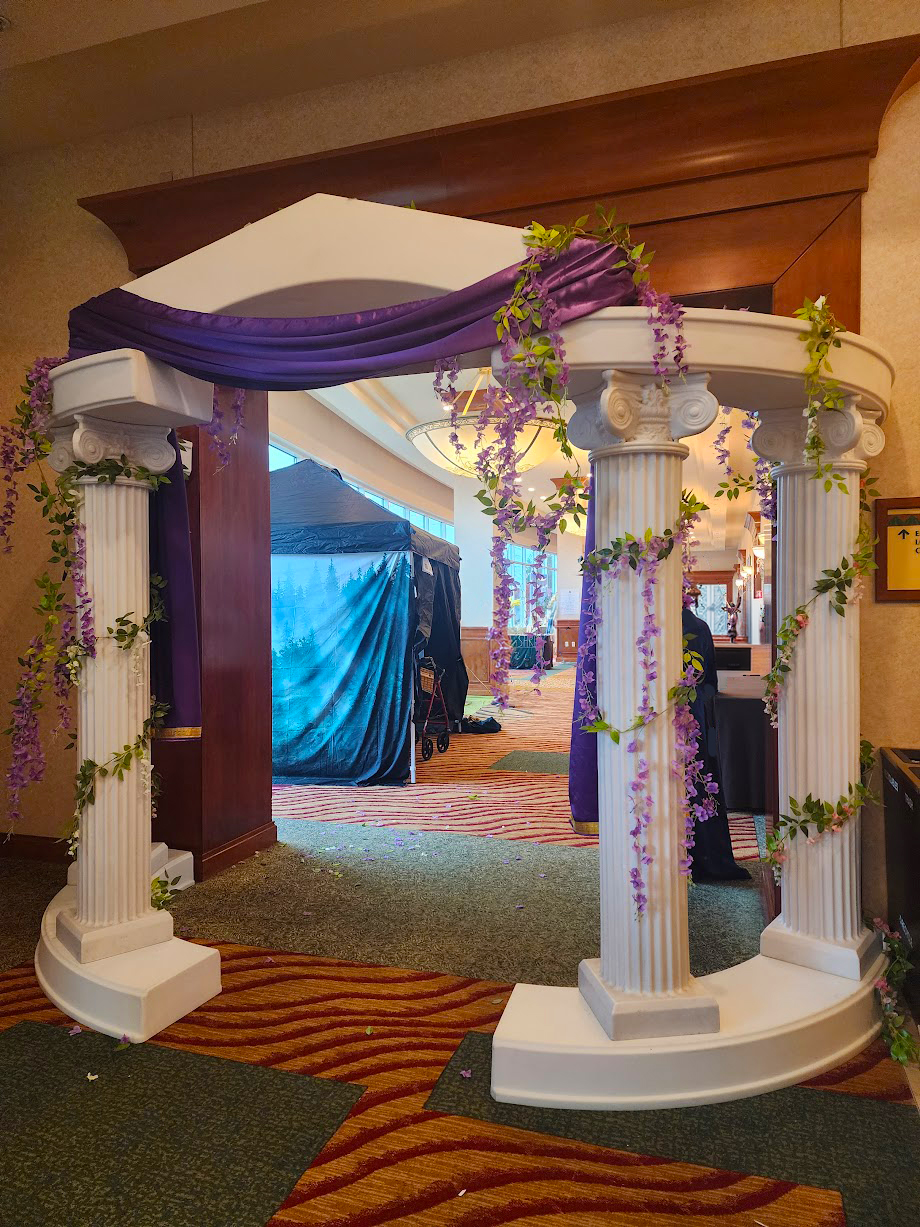
The physical production of Spring Mysteries is equally noteworthy. The presentation leans heavily into ancient Greek stagecraft yet always feels modern. Considerable effort is invested in transforming the festival space into a mythic landscape. Multiple rooms are designed to represent different locations within the Persephone narrative, each with its own aesthetic and symbolic coherence.
The main ritual space is as ambitious as it is successful. A large stage supports rotating scenes, enhanced by coordinated lighting and sound design that contribute to the immersive quality of the experience. While the scale may evoke comparisons to theatrical production, the intention remains ritual rather than entertainment. The technical elements serve the narrative and the spiritual arc, rather than overshadowing them.
Spring Mysteries does not attempt to be everything to everyone; it is precisely this focus that gives the festival its power. Those accustomed to more flexible or self-directed festival formats may find the experience demanding. The expectation of sustained engagement, both emotional and spiritual, requires a level of commitment that goes beyond casual attendance.
Instead, it offers a focused, coherent vision of what a modern Pagan mystery tradition can look like when fully realized. It invites participants not only to observe the sacred narrative but to inhabit it, to move through grief, descent, transformation, and return alongside the figures of Demeter and Persephone.
After 40 years, that invitation continues to resonate. The festival’s endurance suggests that there remains a deep hunger within contemporary Pagan communities for experiences that are not only educational or social, but transformative. Spring Mysteries meets that hunger with intention and care, even as it challenges participants to meet it halfway.
In the end, reflection, recollected in tranquility or otherwise, may be the only way to fully grasp what Spring Mysteries offers. It is not easily reduced to a summary, nor should it be. Its value lies in the experience itself, and in the ways that experience lingers, unfolds, and reshapes understanding long after the festival has ended.
The Spring Mysteries Festival takes place annually in Seattle, typically held on the weekend of or immediately following the first full moon after the Spring (Vernal) Equinox. In 2027, the festival is scheduled for March 24–27.
The Wild Hunt is not responsible for links to external content.
To join a conversation on this post:
Visit our The Wild Hunt subreddit! Point your favorite browser to https://www.reddit.com/r/The_Wild_Hunt_News/, then click “JOIN”. Make sure to click the bell, too, to be notified of new articles posted to our subreddit.