
Behind the Lens: The Official Spring Mysteries Festival Photographer
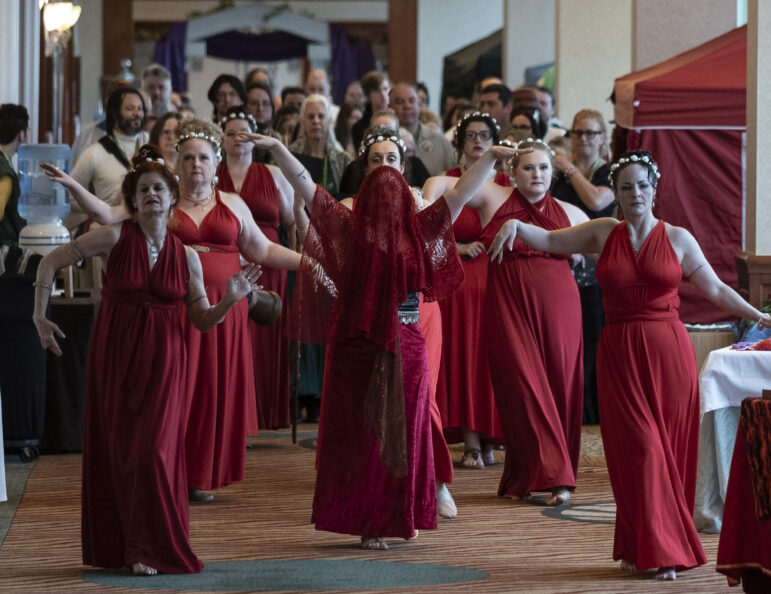
Spring Mysteries Ritual. Image Credit: Noel Hubert – Courtesy
(Written by Dusty Dionne, made possible through an amazingly in-depth and generous interview with Mr. Hubert.)
For Noel Hubert, photography isn’t just a hobby, or even a passion, it is a physical extension of how he sees the world: captured in still frame, moment by moment, in a detailed landscape of his experiences.
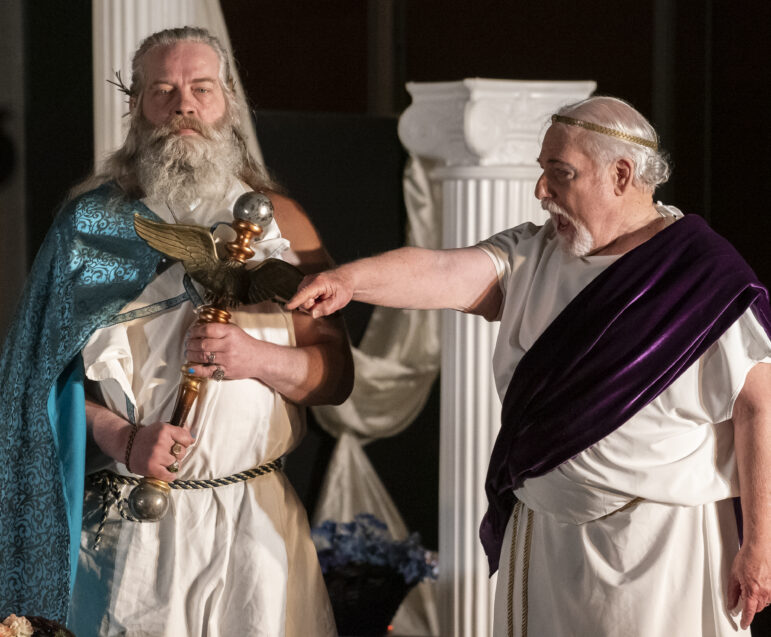
Portraits by Noel Hubert – Courtesy
From his early days filling scrapbooks with obsessively detailed fantasy sketches to his current role as the official photographer for the Spring Mysteries Festival, Hubert’s lens has always served as a bridge between inner vision and outer reality. His journey reflects a lifelong pursuit of capturing not merely what is seen, but what is felt; the subtle spiritual movements, the dramatic contrasts of light and shadow, the quiet revelations hidden in plain sight.
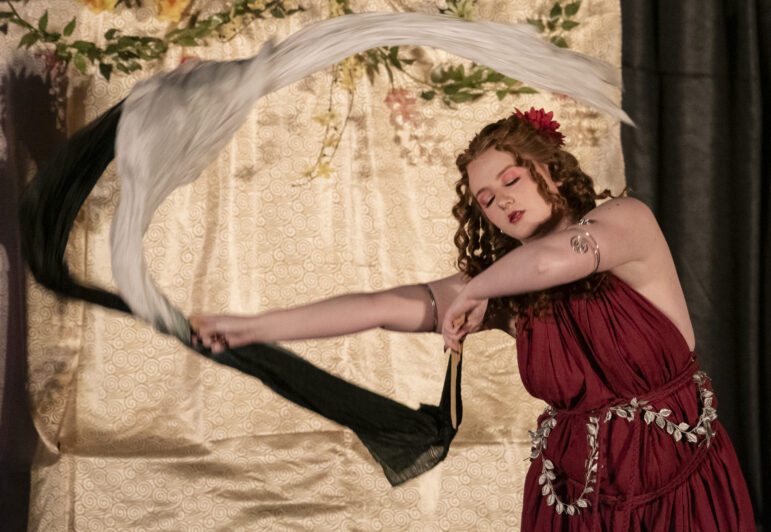
Portraits by Noel Hubert – Courtesy
Hubert’s description of his youth imagines a dark, shaggy-haired teenager quietly doing what teenage Pisces do: escaping into their favorite form of art in an attempt to identify and put their feelings into a tangible medium, as well as share the depth of their emotional observation with the world. His artistic roots trace back to childhood drawings of otherworldly creatures and impossible landscapes that inevitably pulled his focus from his schoolwork. It was here that Hubert chased photorealism in pencil and pen. High school introduced him to DeviantArt’s vibrant community of photographers and photo manipulators, igniting his shift toward the camera. After high school, he pursued technical arts and graphic design at Skagit Valley College, with a minor in photography. A first DSLR, a digital single lens reflex camera, purchased with his father, marked the beginning of an addictive exploration of framing, lighting, and focal play.
For Hubert, one early image, “Cherry Heaven” from 2009, remains a touchstone: a simple cherry blossom tree in his parents’ yard, captured during that first spring. It revealed a profound truth that the most compelling subjects often hide in everyday perspectives, waiting for the right light to transform the ordinary into the transcendent.
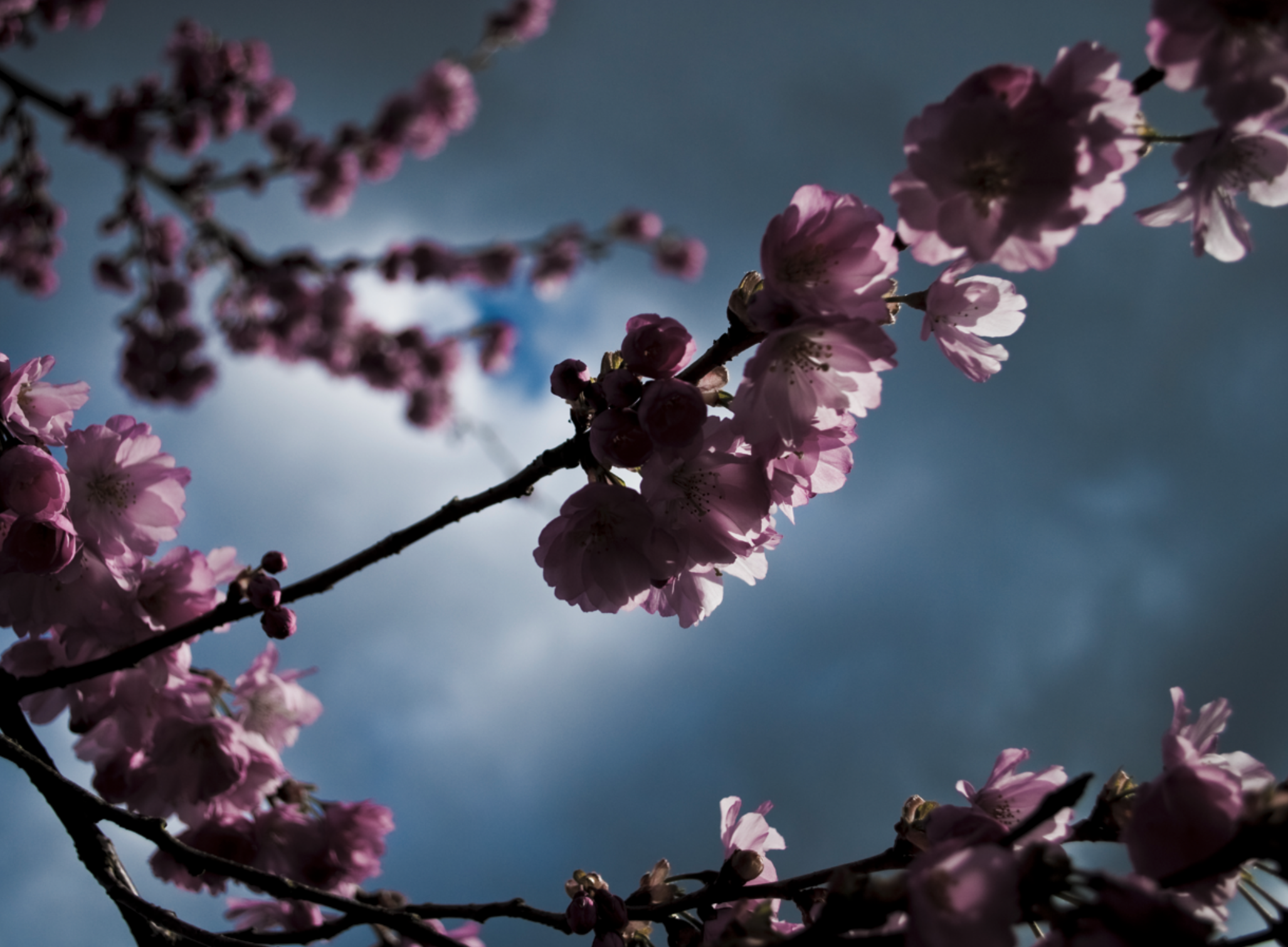
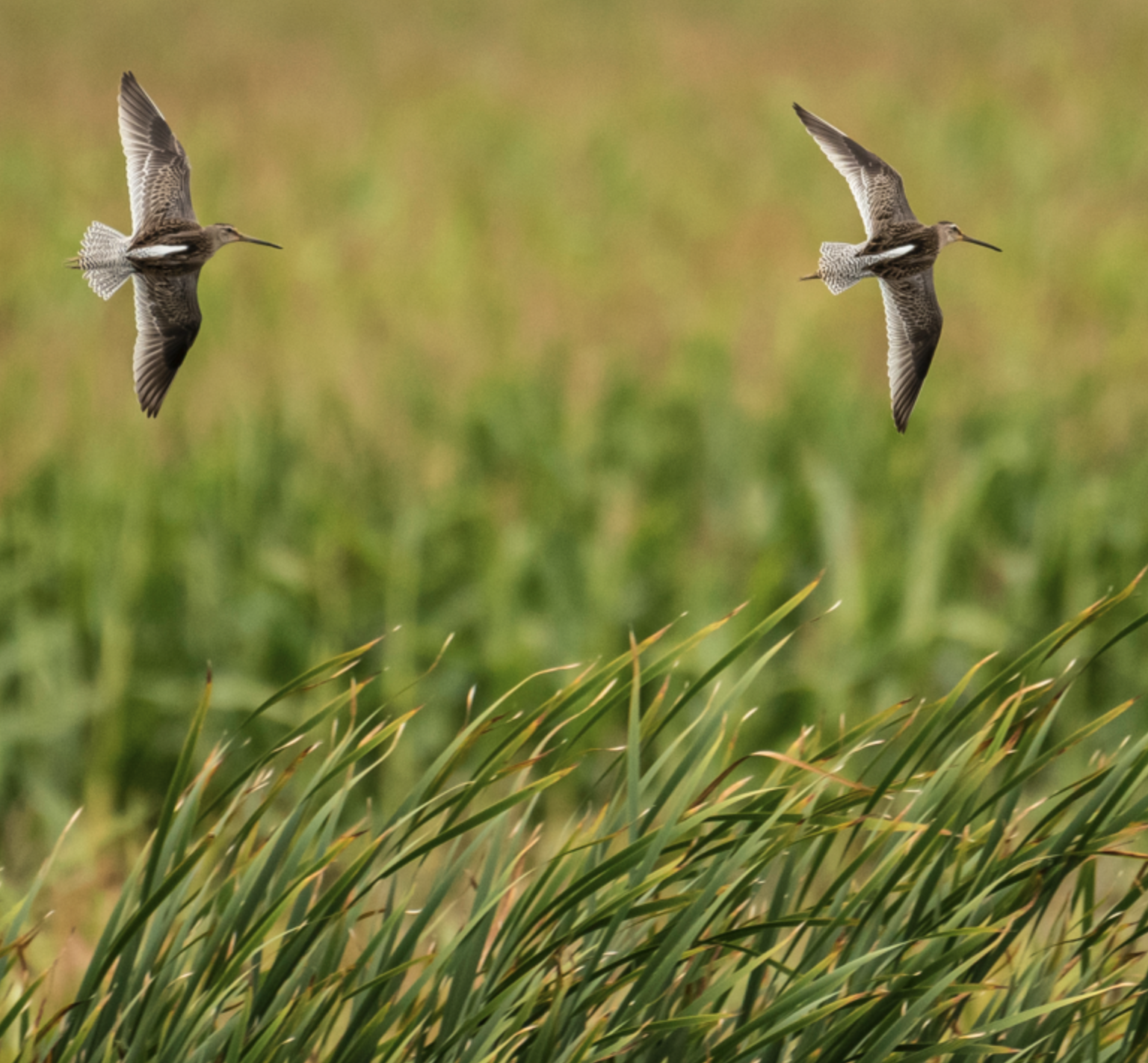




Hubert’s professional path included early portrait work at Donnette Studio. Like many artists looking to make a life off of their art, the focus on high-volume sales in the industrial photography field led to burnout. In deference to his love of the art, Hubert pivoted to nature, macro and landscape, as a hobby while building a career elsewhere.
A turning point came when he met his soon-to-be wife, Brenna Grace, a priestess in the Aquarian Tabernacle Church (ATC), and at the time, an active photographer for the church’s events. Especially Spring Mysteries Festival (SMF), a 40-year running continuation of the 3000-year-old passion play The Eleusinian Mysteries. It seemed like a perfect place for Hubert to continue his work with a medium he loved, portraiture, while still embracing the movement of time, nature, and light. And so in 2019, he stepped in to photograph SMF, returning to portraiture amid the Greek pantheon’s rich mythological tapestry.

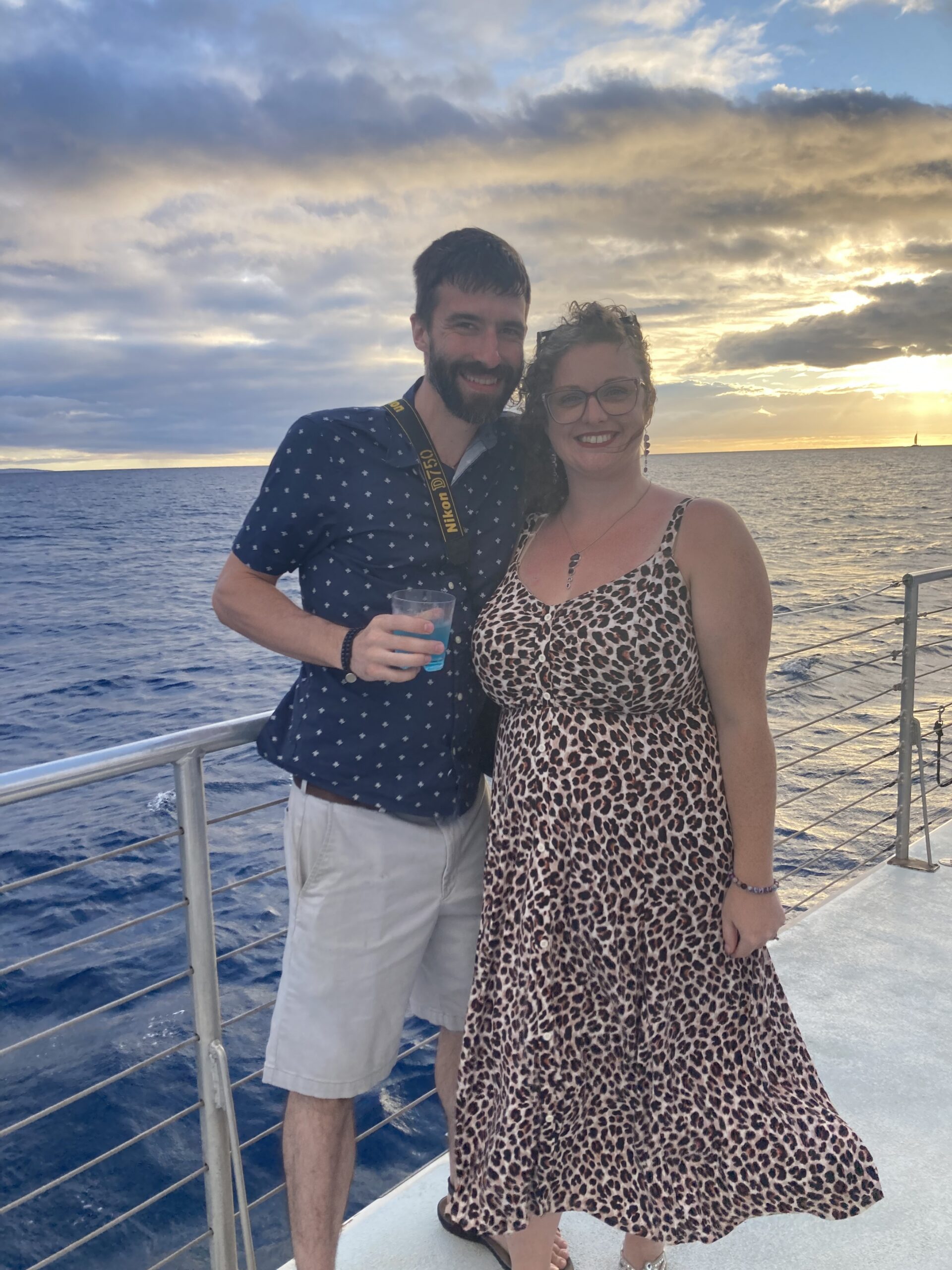
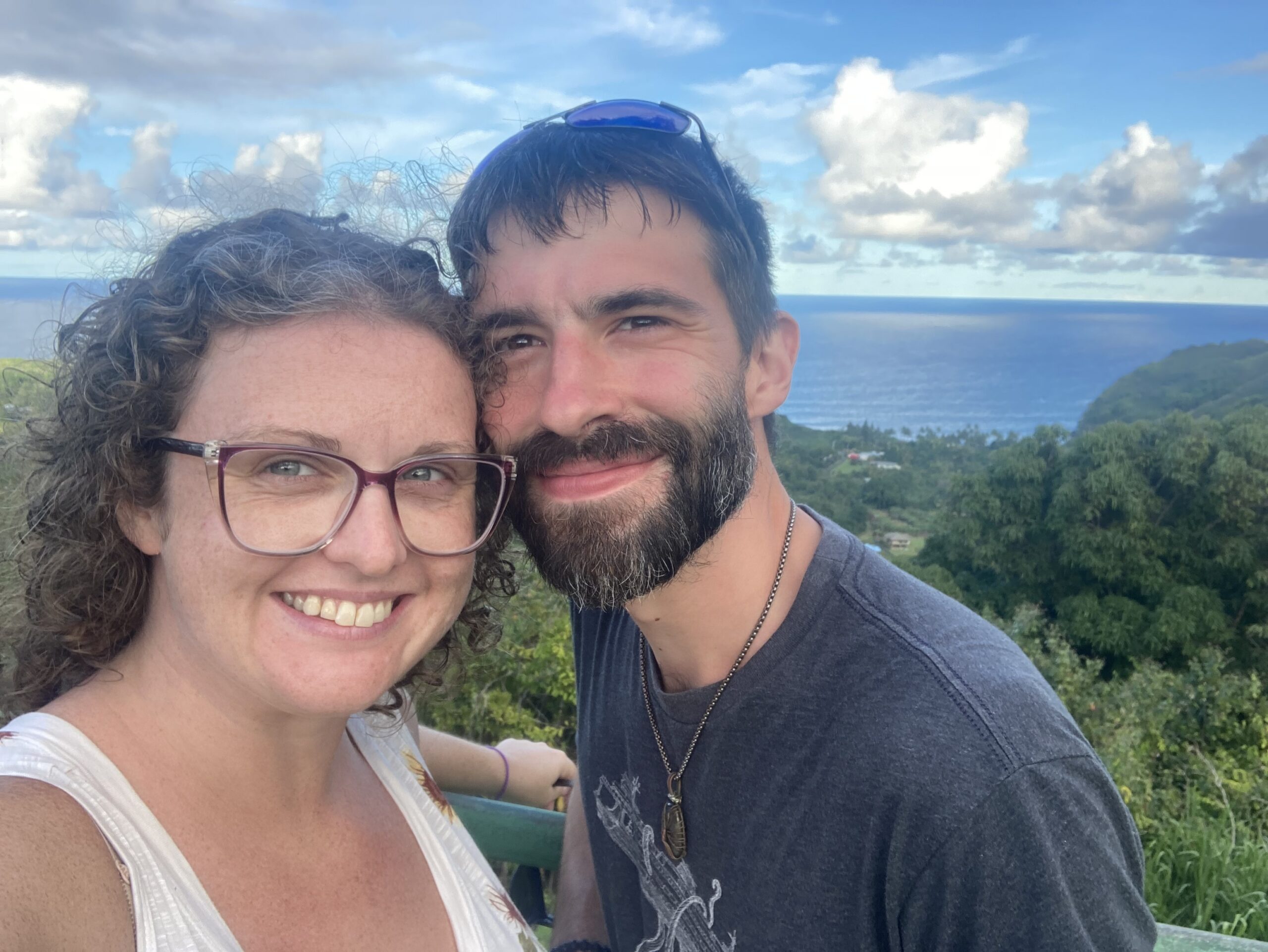
As SMF’s official photographer, Hubert documents rituals with reverence and technical precision. He prioritizes clean composition, negative space, breathing room for subjects, and works to capture “spiritual movement”: a bow, a spiral dance, the quiet intensity of shrine visits after the Parade to Sea. His stage contributions, rigging fabrics and elements, create deliberate lead lines and dramatic backdrops. For cast portraits, soft, saturating light yields cinematic, theatrical results, perfect for evoking ancient Eleusis out of his subjects.
Photographing spiritual events differs profoundly from personal work. Outside of his photographs of rituals, Hubert’s images reflect his own evolving vision. A look at his portfolio shows a time capsule of inspiration.

A Portrait of the Artist at work – Courtesy
His work reads like the movement of the sun across the landscapes he photographs, starting at the dawn of a career that continues shining more light upon an art style being used as a light to shine a dream upon the world as it is being experienced. While his festival work documents intentional details for a diverse audience: the candle on an altar, symbolic patterns, or a first-time pilgrim’s awe. Respecting sacredness means reading the room, honoring consent through body language, and preserving mystery; asking if a shot retains value without full context, or if it reveals too much too soon? A skill honed as one of the very cast he now photographs.
Hubert credits his collaboration with Brenna and the ATC as having expanded his eye for negative space and marketing utility, while the cyclical rhythm of events sustains consistent output and personal renewal.
Hubert’s kit favorites include his blessed Tamron 70-200mm f/2.8 lens for its quick focusing, low-light capabilities, and ability to bring beautiful contrast between the “bokeh of the background while keeping the subject pin-sharp”. And the Nikon D750, for its sharp, high-contrast full-frame sensor suited to web work. Influences like Ansel Adams and Michael Fatali shaped his pursuit of dramatic light, shadow, and composition through their extreme attention to detail that

Another Portrait of the Artist at work- Courtesy
Hubert’s themes favor dramatic contrasts and minimal color palettes, whether in bird photography hunts, golden-hour textures, or ritual scenes. Beyond the lens, pyrography, theater, and music fuel his creativity, while family, supportive parents, artistic collaborations with Brenna, and a logistics career provide balance.
All of this amid his Myotonic Muscular Dystrophy, which can affect his grip, sight, and energy. None of this slows him down in the Piscean pursuit of creating his emotions in physical art. Looking ahead, Hubert is building a router sled for custom wood-burned frames paired with select prints, aiming to help fund the ATC’s missions and bring festival-touched art into homes.
When asked what advice he would give to aspiring photographers, Hubert answered with his signature kindness and care:
“Have patience with yourself. You will have good days that are very generous to your camera and other days that you won’t capture much, especially if some of what you photograph may be deemed un-shareable for either privacy or initiatory reasons. Set out with no expectations, but all of the preparations, and you will always be pleasantly surprised with what you end up with.”
For Noel Hubert, every frame extends his worldview: a fusion of technical mastery, spiritual sensitivity, and relentless curiosity. In still moments, he captures the living pulse of experience, making the invisible visible, one deliberate click at a time.
Tickets for Spring Mysteries Festival 2026 are still available! Register today at Spring Mysteries.
 Several Heathen organizations have announced the formation of a new coalition aimed at strengthening cooperation among inclusive Heathen communities and addressing shared concerns within the current social and political climate.
More Information is available at On Black Wings.
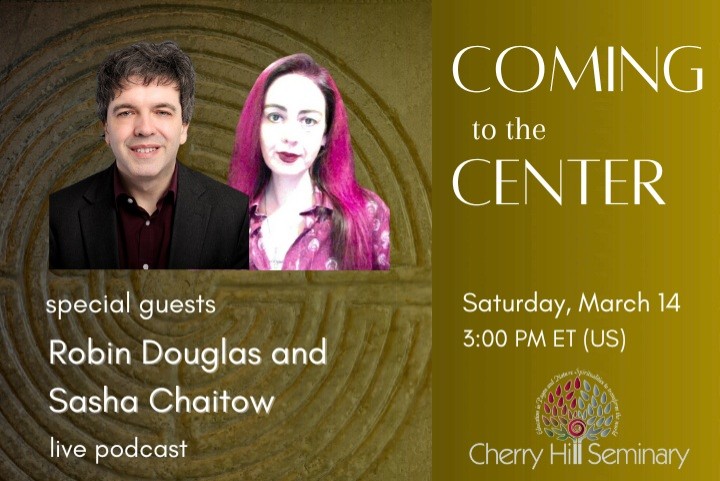
Cherry Hill Seminary will host two noted British scholars for the March 14 virtual program, Coming to the Center, Professor Robin Douglas, and Dr. Sasha Chaitow.
Dr. Robin Douglas is a historian and writer based in London, writing on the history of minority religious traditions and their relationship with the hegemonic majority. He is particularly interested in the history of revived paganism and the history of esoteric and occult movements.
Dr Sasha Chaitow is an independent scholar of Greek cultural history whose work focuses on ancient, Byzantine, and modern traditions. She is the author of Son of Prometheus, a new study of Horapollon’s Hieroglyphica, and forthcoming studies of Byzantine demonology and of living Greek magic. Each of these scholars offers fascinating insights into both historical paganism and contemporary Paganism. Join the conversation on
Coming to the Center, Saturday, March 14, 2026, at 3:00 PM ET at this link.
Professors Douglas and Chaitow will also be teaching an Insights 4-week course in April called Ancient Greek texts in modern times. All info and registration here.
Reminders
 Coreopsis: A Journal of Myth & Theater is preparing to release its 14th volume (Congratulations to the team on this milestone!)
The journal has issued a call for submissions for its Autumn 2026 themed issue, “Biophilia: The Shape of the Future.” As Pagans have long been active participants in — and influential voices within — eco-spirituality, environmental justice, and re-wilding movements, the editors are especially inviting submissions from the Pagan community.
Coreopsis welcomes peer-reviewed scholarly papers as well as non-peer-reviewed essays, opinion pieces, and book or music reviews. The journal is published twice yearly by an all-volunteer staff of artists, scholars, and writers, and operates on a not-for-profit basis.
Those interested in contributing to this themed issue are warmly encouraged to submit their work. The Call is below.
Autumn 2026: Biophilia: The Shape of the Future
Ecological, spiritual, artistic, and psychological coping reactions to the global climate crises. From the genre of eco-fiction to internet chatter and conspiracy theories to the reality of the emerging science confronting all the peoples of the Earth: What stories are we telling ourselves about survival?
Submission Guidelines can be found here: https://societyforritualarts.com/coreopsis/submissions/
Send query to: coreopsisjournalofmyththeatre@gmail.com
This journal accepts papers from many disciplines and is welcoming of all faiths and philosophies. We publish 3-5 papers per issue that have been peer-reviewed according to academic standards, essays, opinion pieces, and reviews. Final submissions should be 3,000 to 10,000 words. If you have a finished paper ready for submission, send it directly to “editors” coreopsisjournalofmyththeatre@gmail.com.
Biophilia: The Shape of the Future
Why is it that, despite better knowledge, we have not been able to make the behavioral and political changes needed to avoid the unfolding ecological disaster? What in our personal and collective psyches makes us unable or even unwilling to do so? How do emotions weave into these questions? … German-American psychoanalyst and social theorist Erich Fromm (1900-1980) offers answers to these questions. … Fromm, who coined the term “biophilia” and devised a compelling theory about our psycho-emotional paradoxes long before “climate psychology” became a buzzword. Julia Ludewig, “Erich Fromm’s Biophilia” Emotional Ecologies, # 7.
In the Arctic Faroe Islands, lívsandin means “the breath of life”. We struggle to breathe as the Arctic ice melts and the skies darken with smoke from ever more fierce wildfires, as the toxins from industrial pollutants increase the carbon in the atmosphere, and summers grow ever hotter and harsher. As stronger, more dangerous storms decimate the small towns and urban areas in North America’s tornado alley and regions in the paths of typhoons and hurricanes.
In this issue, we invite papers and essays that explore the shape of the future and the psycho-emotional paradoxes as described above by Julia Ludwig that get in the way of a survivable future.
What stories will we tell each other that will seed the changes in how we live, where we will live, and how our children, grand, and great-grandchildren will survive and thrive?
We invite papers on the topics of interdependence, mutual aid, ecological activism, and what Erich Fromm called “biophilia” long before eco-psychology was coined.
“The passionate love of life and of all that is alive; it is the wish to further growth, whether in a person, a plant, an idea, or a social group.” Erich Fromm on “Biophilia”, 1973. The Anatomy of Human Destructiveness.
Please clearly label whether your paper or essay is submitted for peer review, as an essay or editorial, or as a music or book review. Papers submitted for peer review from scholars must be in APA style and prepared for blind review following these guidelines: http://societyforritualarts.com/coreopsis/papers-for-peer-review-2/. Visual art submission guidelines: http://societyforritualarts.com/coreopsis/arts-multimedia/
Coreopsis Journal is published twice yearly by The Society for Ritual Arts. Never for profit.
This journal and her editors, referees, readers, staff, and Advisory Board members work, to the best of our abilities, under the guidelines for scholarly publications as set forth by The Committee for Publication Ethics Code of Conduct for Journal Editors. Download the PDF “Code of Conduct for Journal Editors” to learn more: https://publicationethics.org/
2026 Virtual Symposium of Pagan Thought and Practice
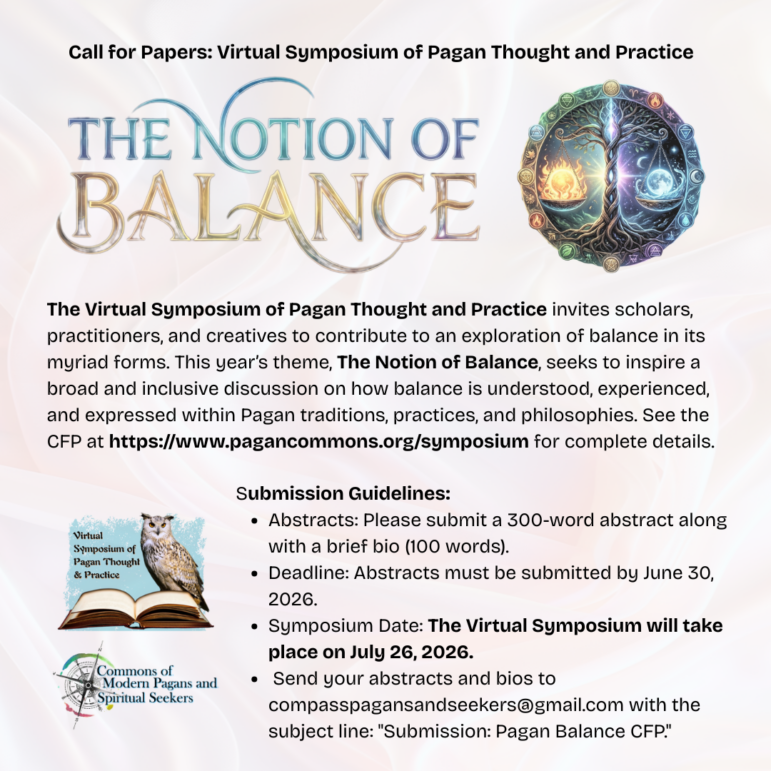
The Commons of Modern Pagans and Spiritual Seekers (COMPASS) is pleased to share an exciting opportunity with the broader Pagan community: the 2026 Virtual Symposium of Pagan Thought & Practice, taking place July 26, 2026, via Zoom.
This year’s theme, “The Notion of Balance,” invites scholars, practitioners, and creatives to explore how balance is understood, experienced, and expressed within Pagan traditions, practices, and philosophies. The symposium is designed as a space for vibrant discussion, thoughtful exchange, and meaningful community connection.
COMPASS encourages community members to share this announcement widely and to consider participating in what promises to be an engaging and intellectually rich gathering.
Key details follow below.
About the Symposium
The Virtual Symposium of Pagan Thought and Practice focuses on the intersection of ideas, beliefs, and practices within Contemporary Pagan spiritualities. This year’s theme, “The Notion of Balance,” offers a broad and inclusive platform for exploration.
Potential topics include:
- Balance in ritual practices, magical workings, and relationships.
- Dualities: light/dark, chaos/order, life/death.
- Ecological balance and Pagan responses to environmental crises.
- Gender identity and evolving notions of polarity.
- Balancing ancient traditions with contemporary innovations.
Call for Papers
We invite members of your community to submit abstracts and participate in this exciting event. Presentations, panels, creative workshops, and personal reflections are all welcome!
- Abstracts: 300 words.
- Bio: 100 words.
- Deadline: June 30, 2026.
- Email: compasspagansandseekers@gmail.com (Subject: “Submission: Pagan Balance CFP”).
More details can be found at: https://www.pagancommons.org/symposium.

The Earth-Based Spirituality Action Team Announced a New Meeting!

Events and Announcements
More Events at our new Events Calendar
Tarot of the Week by Star Bustamonte
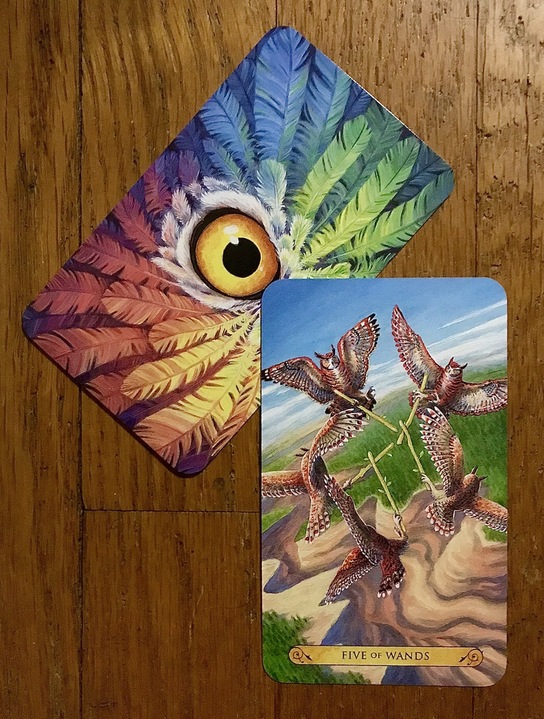 Deck: Tarot of the Owls, illustrations by Elisabeth Alba, text by Pamela Chen, published by Llewellyn Publications.
Card: Five (5) of Wands
This week is likely to be a confusing and hectic hot mess with no clear sides when it comes to conflict—be it at work, home, or in any other organization. It’s equally likely that no one involved is listening to anyone else, all merely shouting to be heard. That being said, whatever the situation, it is important to embrace possessing the experience and skills to navigate a successful way forward.
Conversely, situations involving conflict may be more complicated and intense than expected or predicted. While it may be tempting to pull up stakes and move on, taking time to fully assess all options before heading out in a new direction is liable to be of importance. Understanding the core issue(s) at the center of the conflict is apt to not only be key in avoiding similar issues in the future, but also in untangling the current problem at hand.
The Wild Hunt is not responsible for links to external content.
To join a conversation on this post:
Visit our The Wild Hunt subreddit! Point your favorite browser to https://www.reddit.com/r/The_Wild_Hunt_News/, then click “JOIN”. Make sure to click the bell, too, to be notified of new articles posted to our subreddit.