Arts & Culture
Pagan Hauntology
|
As we officially enter the Season of the Witch, The Wild Hunt welcomes Gavin Fox, who examines the ways Witches, Pagans, and other occult communities were depicted in documentaries of the 1970s through 90s.
The Wild Hunt (https://wildhunt.org/tag/margot-adler)
As we officially enter the Season of the Witch, The Wild Hunt welcomes Gavin Fox, who examines the ways Witches, Pagans, and other occult communities were depicted in documentaries of the 1970s through 90s.
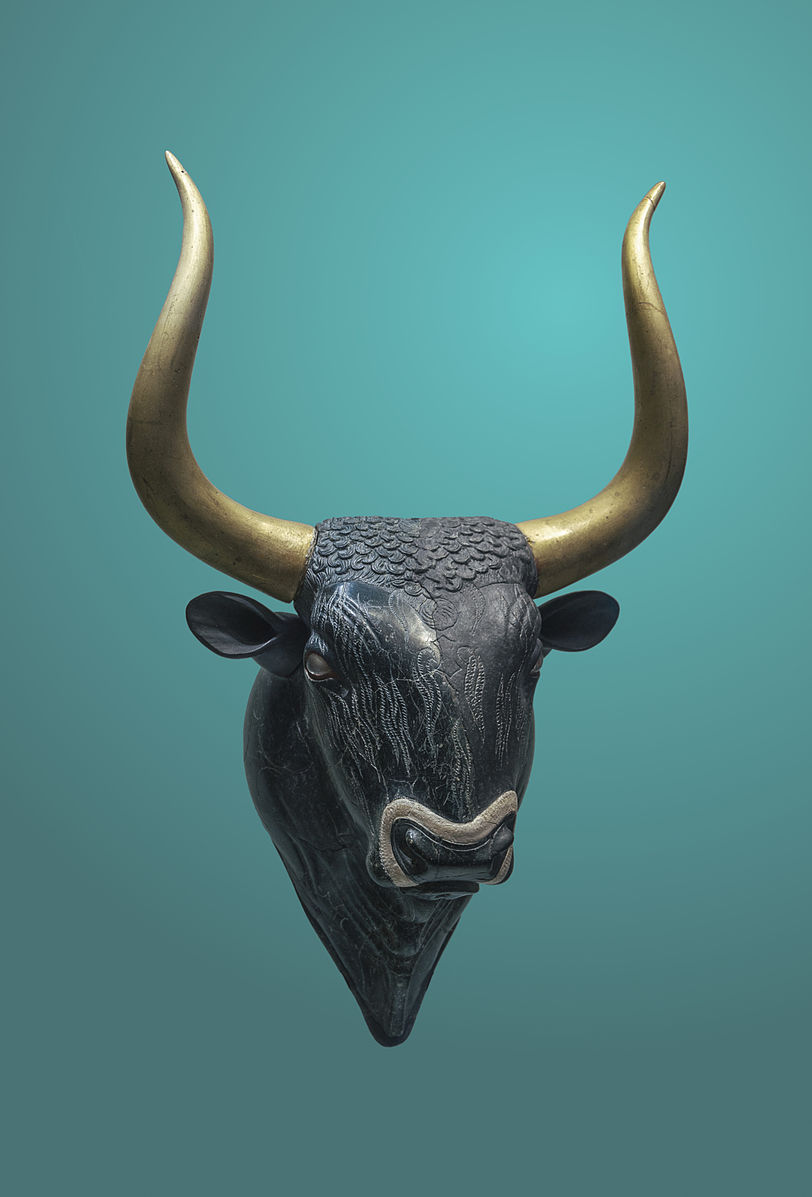
Storm Faerywolf reviews “Bull of Heaven: The Mythic Life of Eddie Buczynski And the Rise of the New York Pagan” by Michael Lloyd, which touches on the history of the queer and Witchcraft communities in the United States during the 1960s to 80s.
BROOKLYN – What if you discovered an ancestor was a judge at the Salem witch trials, and you also found out another ancestor, from the same period of New England history, had been accused of being a witch? No, it’s not some plot twist devised by the creators of Charmed, Chilling Adventures of Sabrina or some other witchy TV series. It’s the true story of photographer Frances F. Denny. That striking discovery sparked her latest photography project, Major Arcana: Witches in America, which is on exhibit through Nov. 24 at ClampArt in New York City.
I find the Pagan nature sanctuary to be an odd entity, when I stop to think about it. In the past few months I have considered how these physical places that we have given names like Gaea Retreat and Oak Spirit Sanctuary interact with the metaphysical and political beliefs in which we clothe them. We have shaped these places, built structures atop them, sculpted their landscapes — to what end? What draws us to the idea of having “Pagan land” in the first place? Margot Adler wrote of the early days of these Pagan nature sanctuaries in Drawing Down the Moon.