Culture
Tyr, Thor, Monsters, and Macklemore
|
Drawing upon the models presented by the Norse gods Tyr and Thor, Karl E.H. Seigfried argues for the Heathen ethic of taking action against injustice despite personal costs.
The Wild Hunt (https://wildhunt.org/tag/edda)
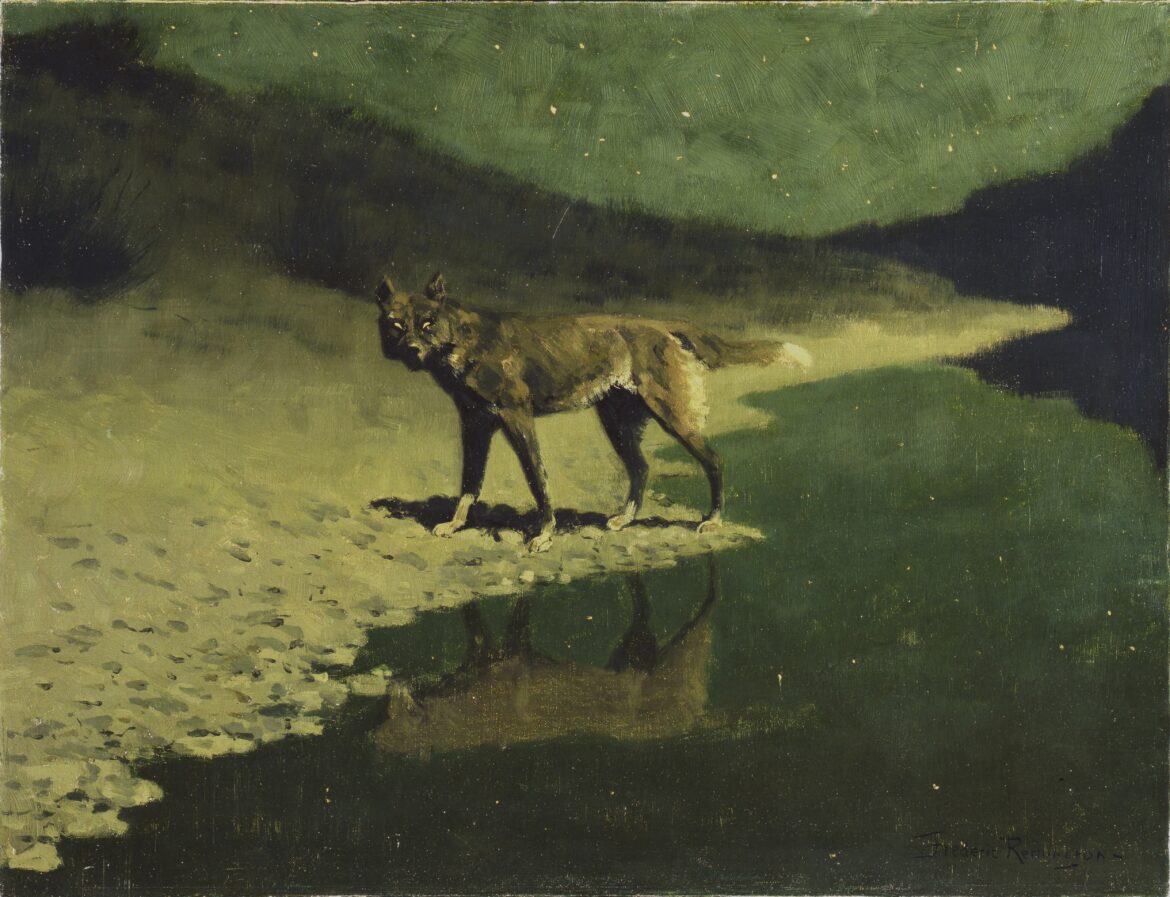
Drawing upon the models presented by the Norse gods Tyr and Thor, Karl E.H. Seigfried argues for the Heathen ethic of taking action against injustice despite personal costs.
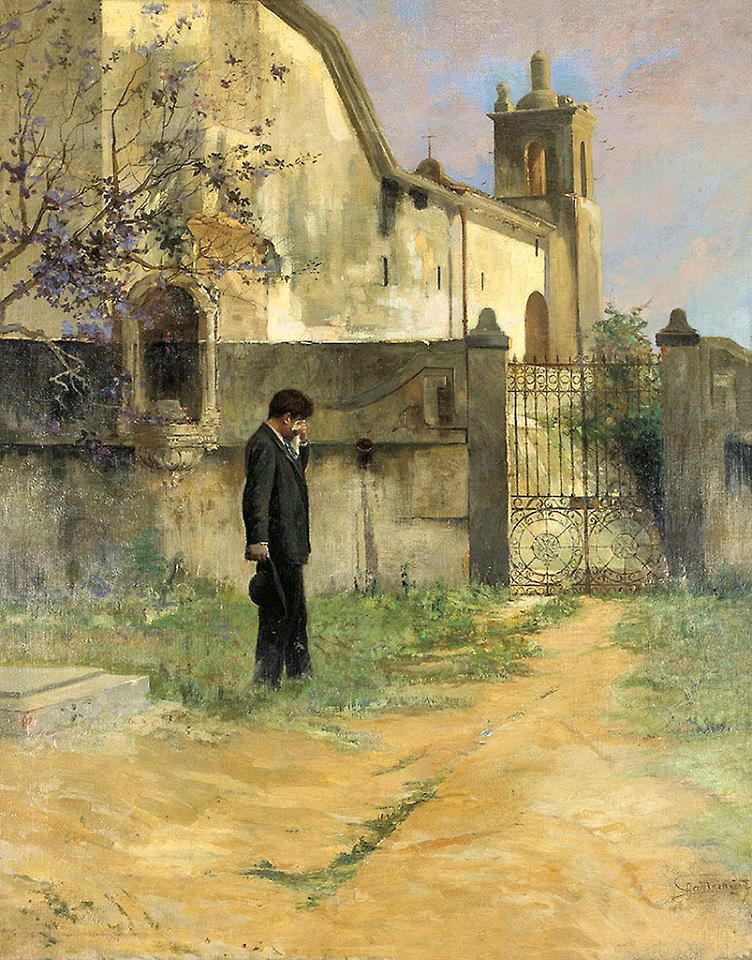
The Norse myths are laced with a melancholic focus on the end of an age. Karl Seigfried notes that today it also feels as though a way of living is passing. But just as Ragnarök leads to a rebirth, so too might our own times – if we are willing to work for it.
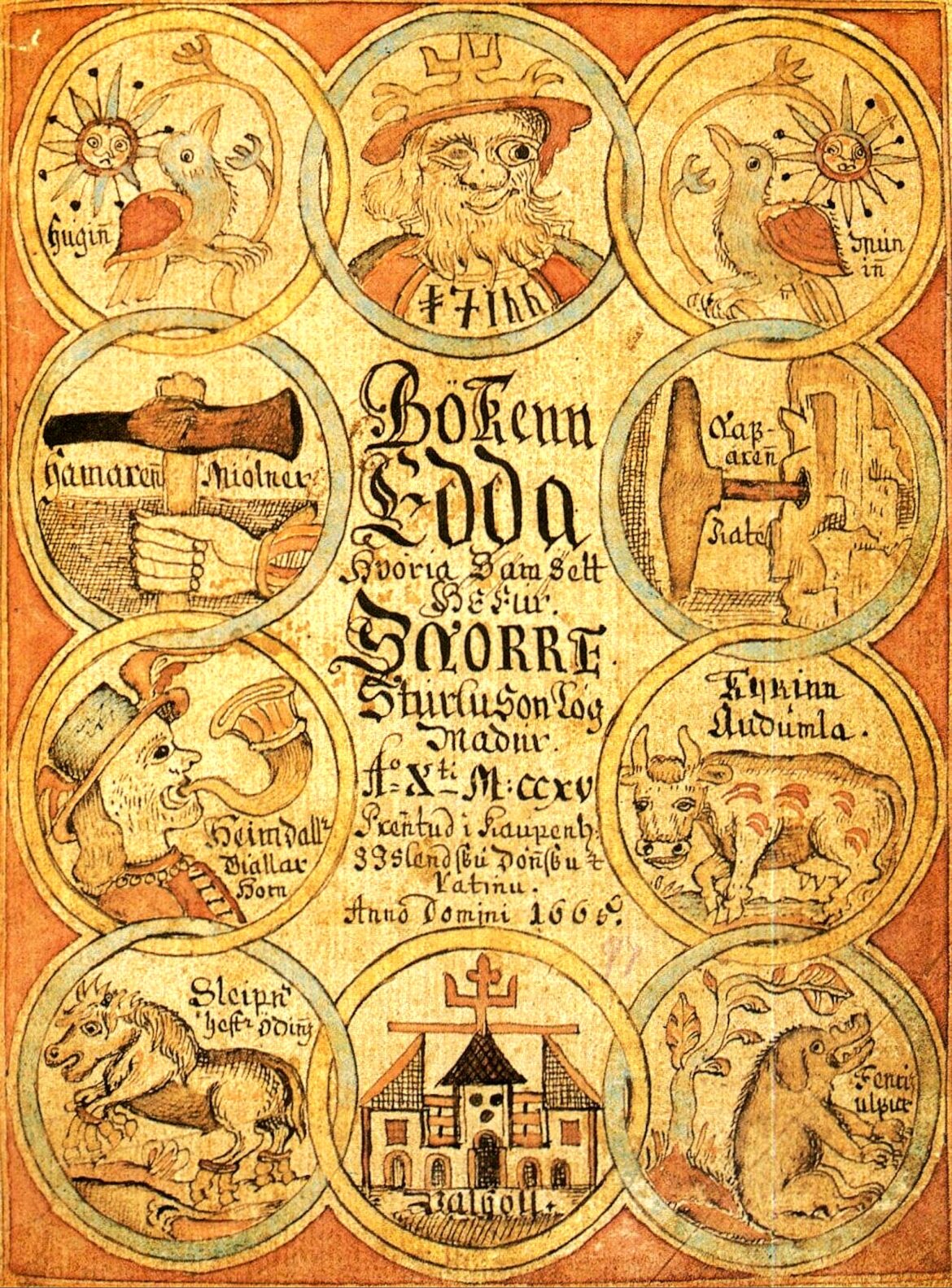
How should we imagine the gods of Germanic Paganism? Karl E.H. Seigfried argues for us to picture the gods not as figures frozen in the Viking Age, but as living, vital beings of the here and now.

Karl E.H. Seigfried reflects on his 15 years of running the popular Norse Mythology Facebook Page and offers advice to new Heathens, including why you shouldn’t advertise your faith like a brand and why you should start making interlibrary loans.

Karl E.H. Seigfried examines the role of duplicitous counselors in Norse mythology, looking at sources from Volsunga saga to Sörla þáttr to puzzle out what lessons these figures can tell us about our situation today.