“Not Just a Pile of Stones:” Vandalism of Somerset’s Bronze Age Burial Mounds

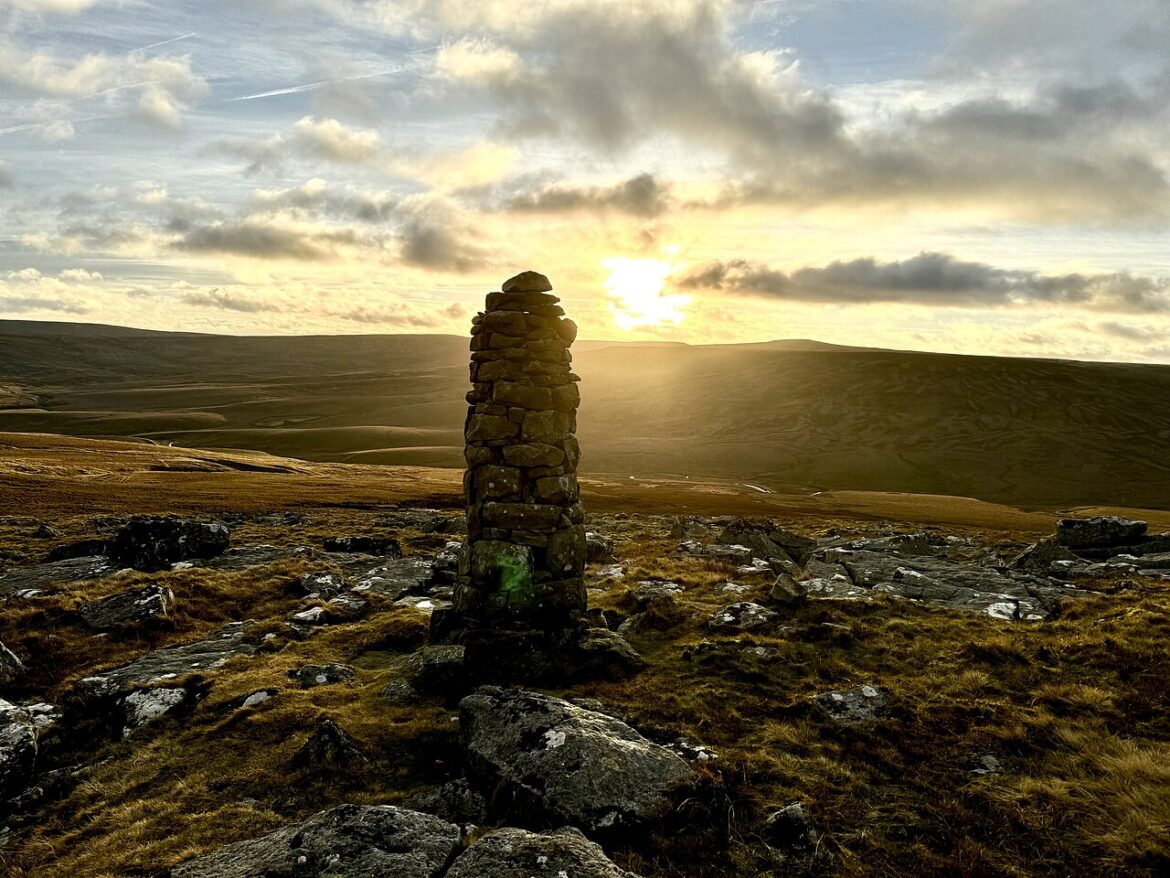
CROWCOMBE, England — A Bronze Age burial monument in Somerset’s Quantock Hills has suffered further damage after stones were removed and rearranged at the protected archaeological site, raising concerns about the preservation of a prehistoric landscape associated with ancient burial and ceremonial practices. Burial monuments were not necessarily isolated structures. Their placement within the landscape reflects relationships between communities, ancestors, and particular locations. Although the beliefs of the people who constructed Fire Beacon Cairn cannot be reconstructed with certainty, the monument preserves physical evidence of how prehistoric communities commemorated their dead.  

Fire Beacon Cairn, believed to be approximately 4,000 years old, was disturbed on two occasions in September.
Bronze Age ‘Shaman’ was a Woman

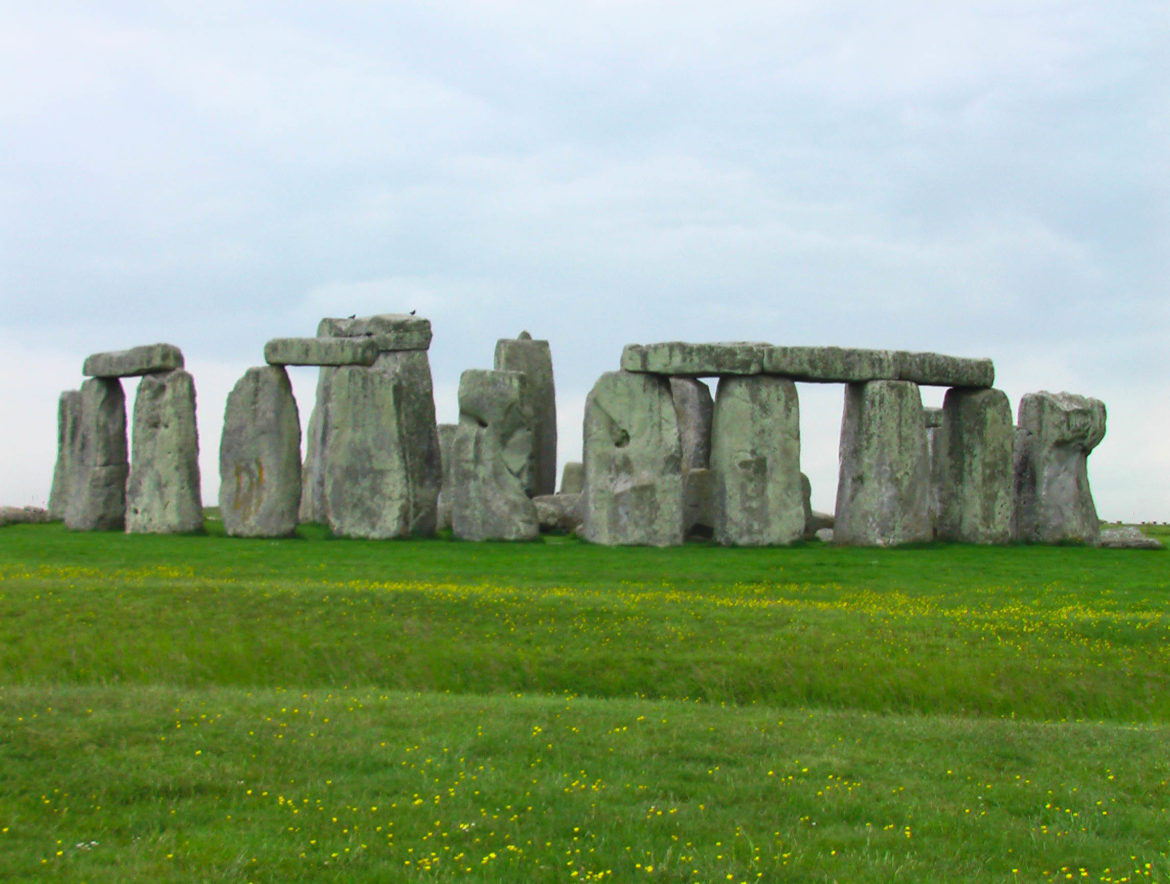
Ancient DNA has overturned two centuries of assumptions about a Bronze Age burial near Stonehenge, revealing that a renowned goldworker, long believed to be a man, was a woman who may have held spiritual authority.

Man sentenced for animal killings in the New Forest

The man who admitted leaving animal carcasses and occult symbols at English churches has been hospitalized under the Mental Health Act, as Pagan communities stress the crimes reflect longstanding mental illness—not any recognized Pagan or occult tradition.

Iron Age War Horn

An exceptionally rare Iron Age war horn discovered in Norfolk is shedding new light on Iceni culture, Celtic ritual soundscapes, and the legendary era of Boudicca, where archaeology, history, and revived Pagan traditions intersect.

Daniel Kruger’s remarks in Hansard

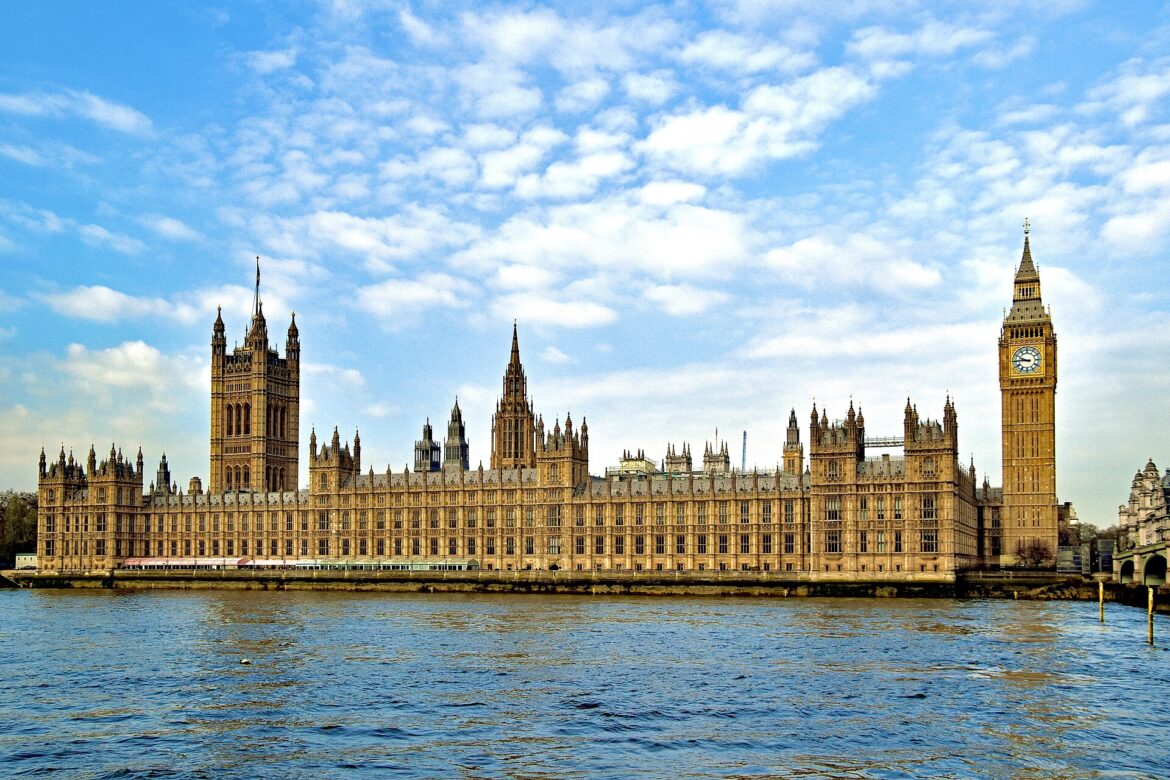
Conservative MP Daniel Kruger sparked backlash after labeling Paganism and modern progressive ideals as a dangerous “religion” threatening Christianity, prompting confusion and critique from UK Pagans over his odd remarks.