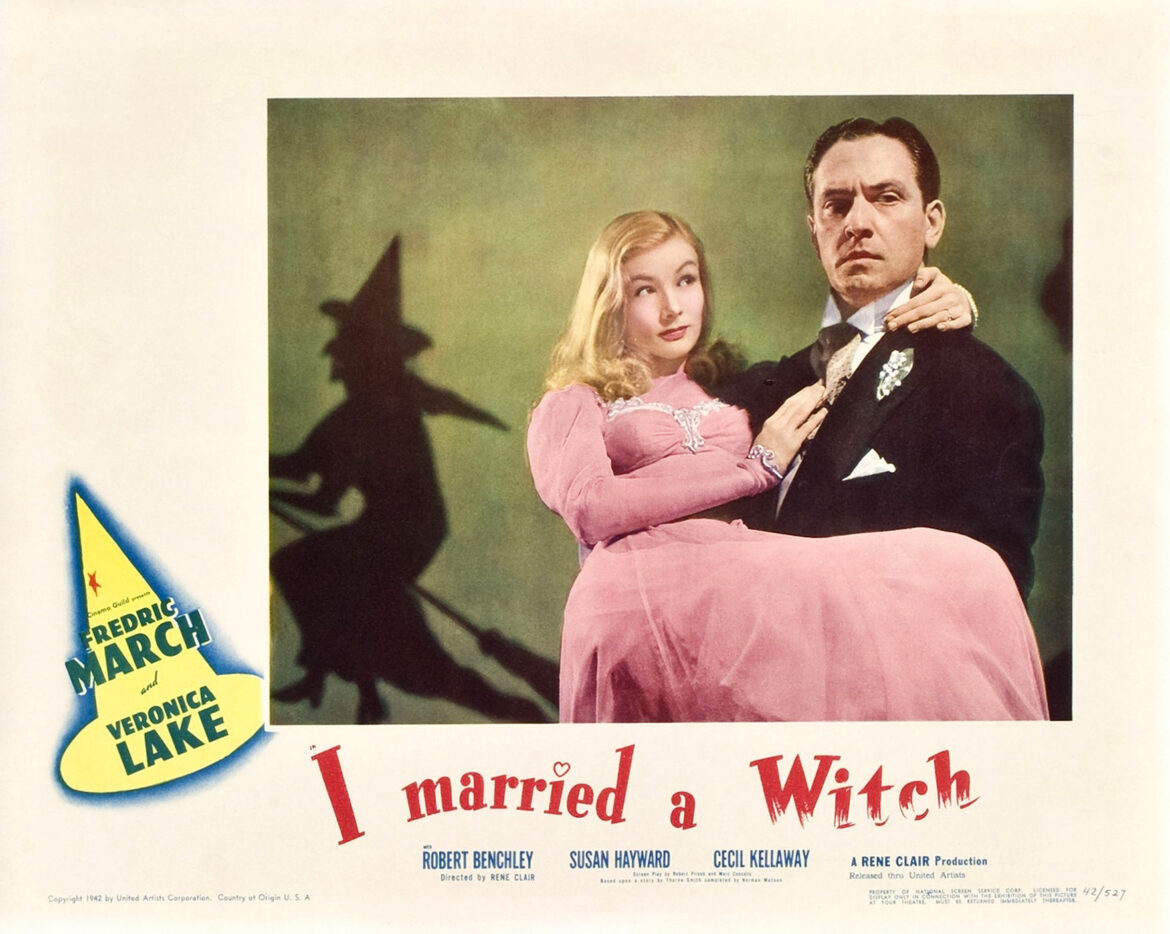
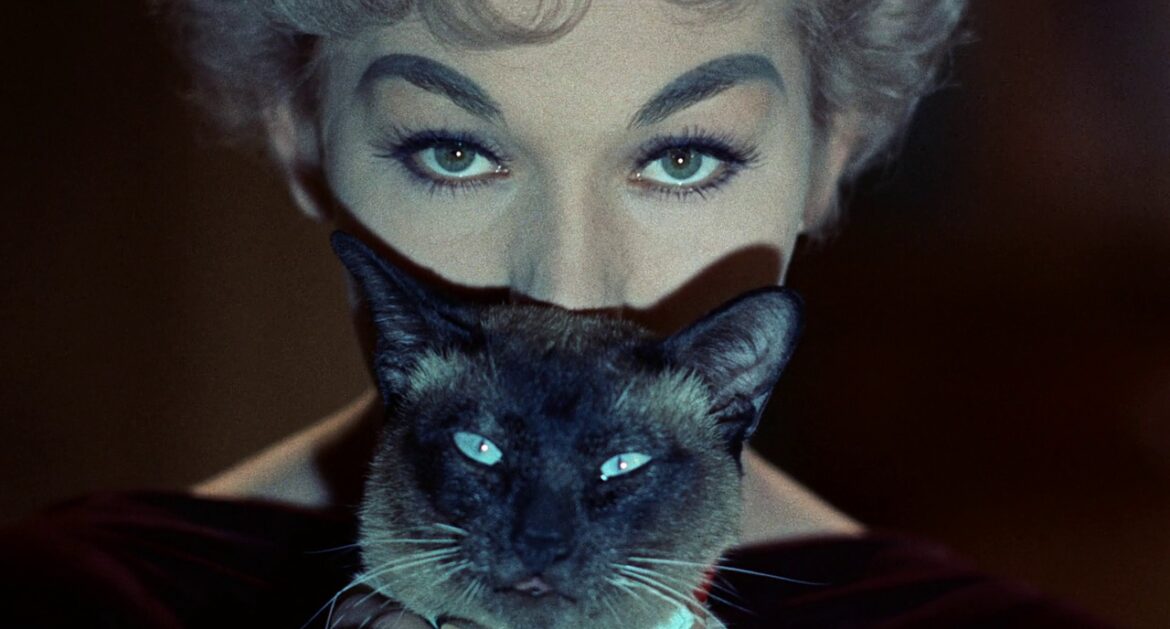
Our last stop on this cinematic journey was 1937 with the release of Disney’s Snow White and the Seven Dwarfs. Up to that point, the Hollywood witch had already evolved from a turn-of-the-century “clown witch” to a stereotypical cartoon “hags in rags” and finally into an animated femme fatale. Throughout that early period, the witch was contained within the framework of fantasy. Even those few outliers created a wall of separation between reality and the witch. MacBeth (1916) is just a retelling of a Shakespearian drama. In the Witch of Salem (1913), the “witch” is a victim of hysteria. In film studies speak, the witch never threatens to enter into the viewer’s world.