Culture
Tyr, Thor, Monsters, and Macklemore
|
Drawing upon the models presented by the Norse gods Tyr and Thor, Karl E.H. Seigfried argues for the Heathen ethic of taking action against injustice despite personal costs.
The Wild Hunt (https://wildhunt.org/tag/genocide)
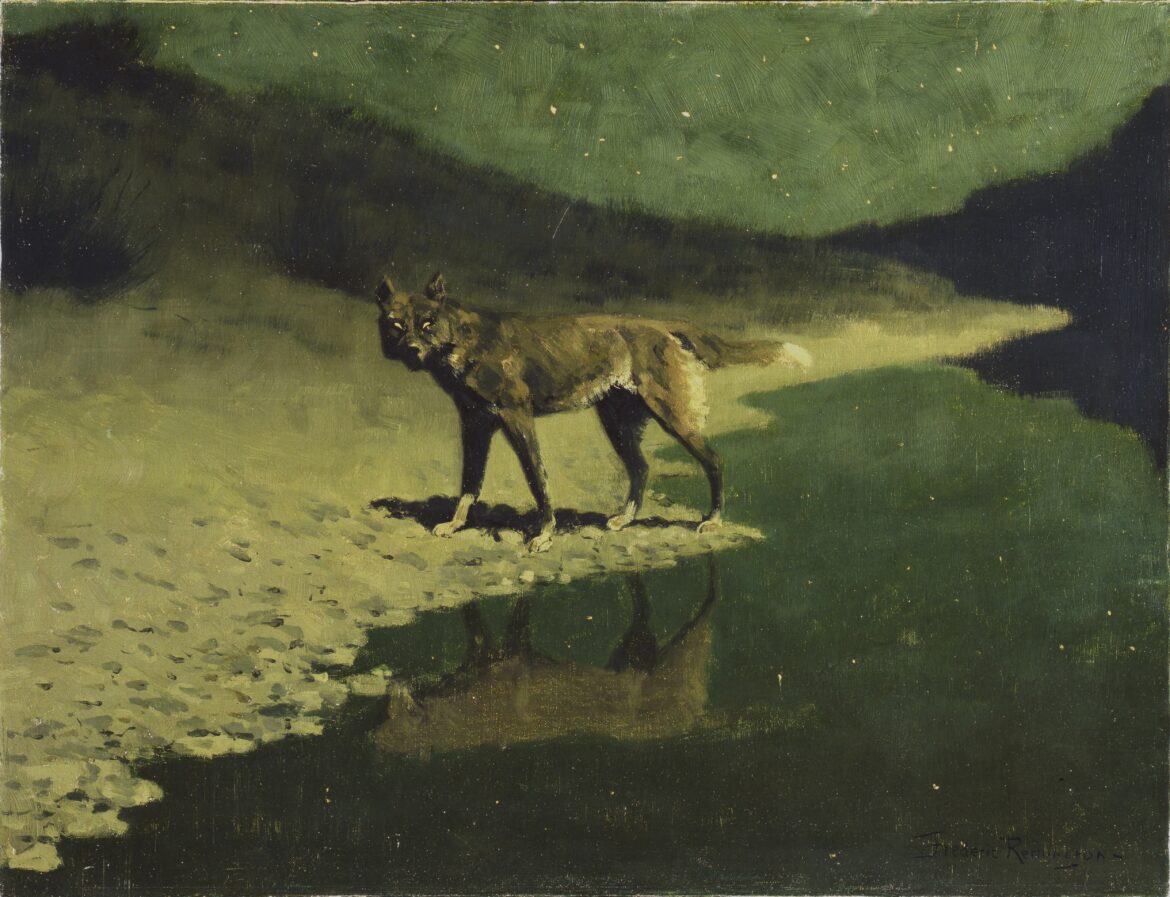
Drawing upon the models presented by the Norse gods Tyr and Thor, Karl E.H. Seigfried argues for the Heathen ethic of taking action against injustice despite personal costs.

One Halloween, when I was young enough to still go trick-or-treating with my parents, a pair of boys from my school ran around my block chanting “Nazi! Nazi! Nazi!” while I stood there in my out-of-the-box Darth Vader or Spider-Man costume. When my dad was the age that I was then, he was in an extermination camp.
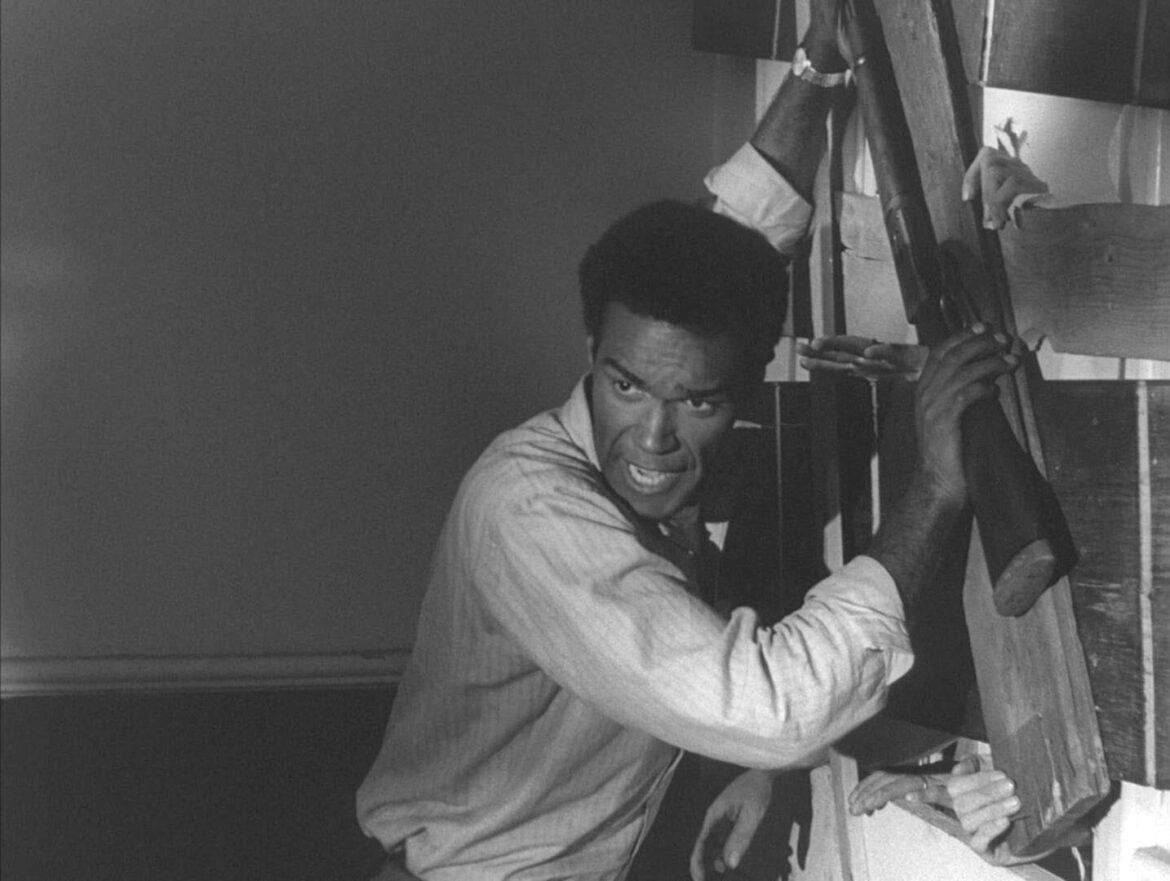
The more of Romero’s films that I watched – and especially the more of his novel that I read – the more I also found a theology bubbling up through the blood that aligns with my own theology of Ásatrú, a modern religion that revives, reconstructs, and reimagines the ancient polytheism of Northern Europe.

U.S. President Biden announced today that Monday, in addition to celebrating Columbus Day, will mark Indigenous Peoples’ Day, the first time the holiday has been recognized nationally.
Pagan Perspectives
A Note from the Editors Regarding Loki in the White House
December 2nd, 2018
Dear Readers of The Wild Hunt:
Since the publication of Loki in the White House, the column has been discussed at length across the Pagan internet. To say that its portrayal of Loki, and its comparison of Loki to Donald Trump, has been regarded as controversial would be an understatement. The Lokean community in particular has strongly criticized the column, with many feeling that it was tantamount to a call for Heathens to cut ties with Lokeans altogether. (A group of Lokeans sent a letter to The Wild Hunt calling for amendments or a retraction to the column; that letter can be read here.)
At The Wild Hunt, we are proud to have writers from many different backgrounds represented in our roster of regular columnists, including multiple writers of color, writers from outside the Anglosphere, and writers of queer identities – not to mention writers from many different approaches to Paganism. We see our commentary section as a place for these voices to have the freedom to analyze, critique, and debate issues of interest to Pagans in deep and challenging ways.