Arts & Culture
New Heavy Music for Pagan Hearts, Volume 2
|
Karl E.H. Seigfried spins up five records sure to appeal to Pagan rock and metal listeners, including new releases from Green Lung, SpellBook, and Dungeon Weed.
The Wild Hunt (https://wildhunt.org/tag/world-tree)
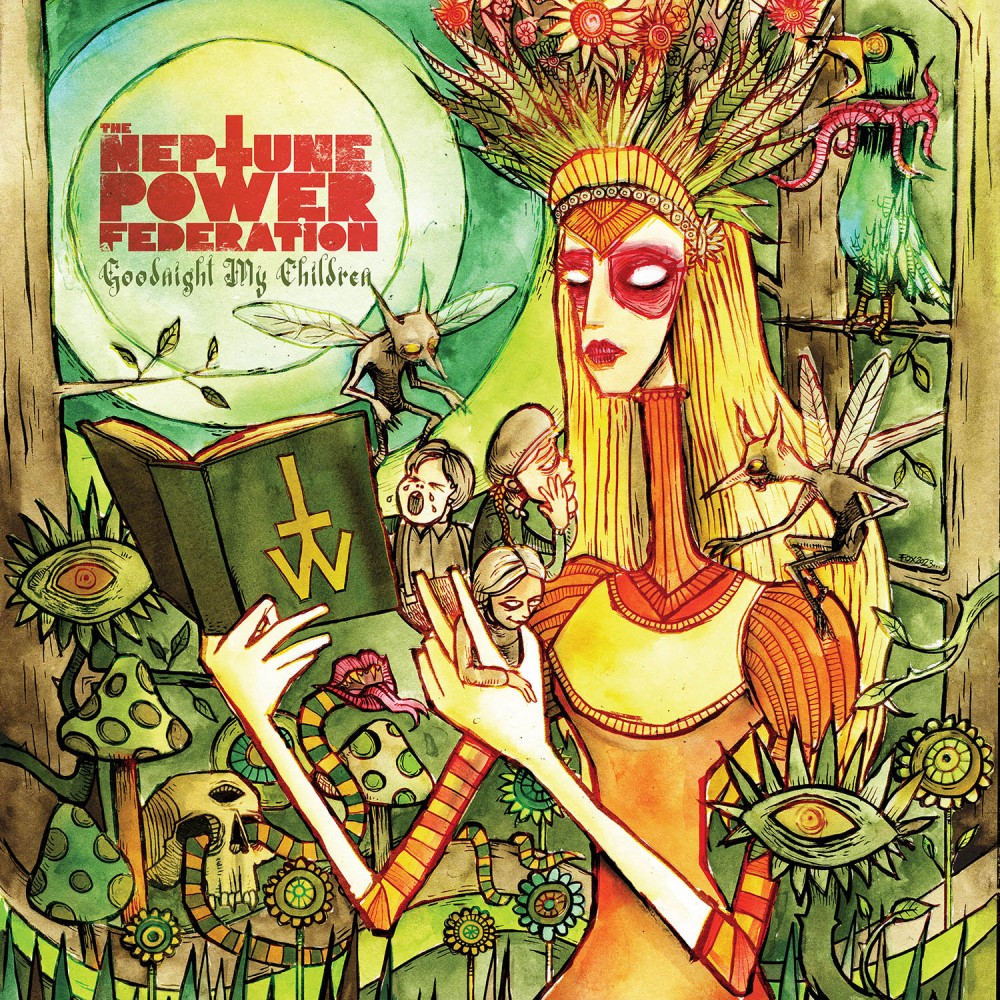
Karl E.H. Seigfried spins up five records sure to appeal to Pagan rock and metal listeners, including new releases from Green Lung, SpellBook, and Dungeon Weed.
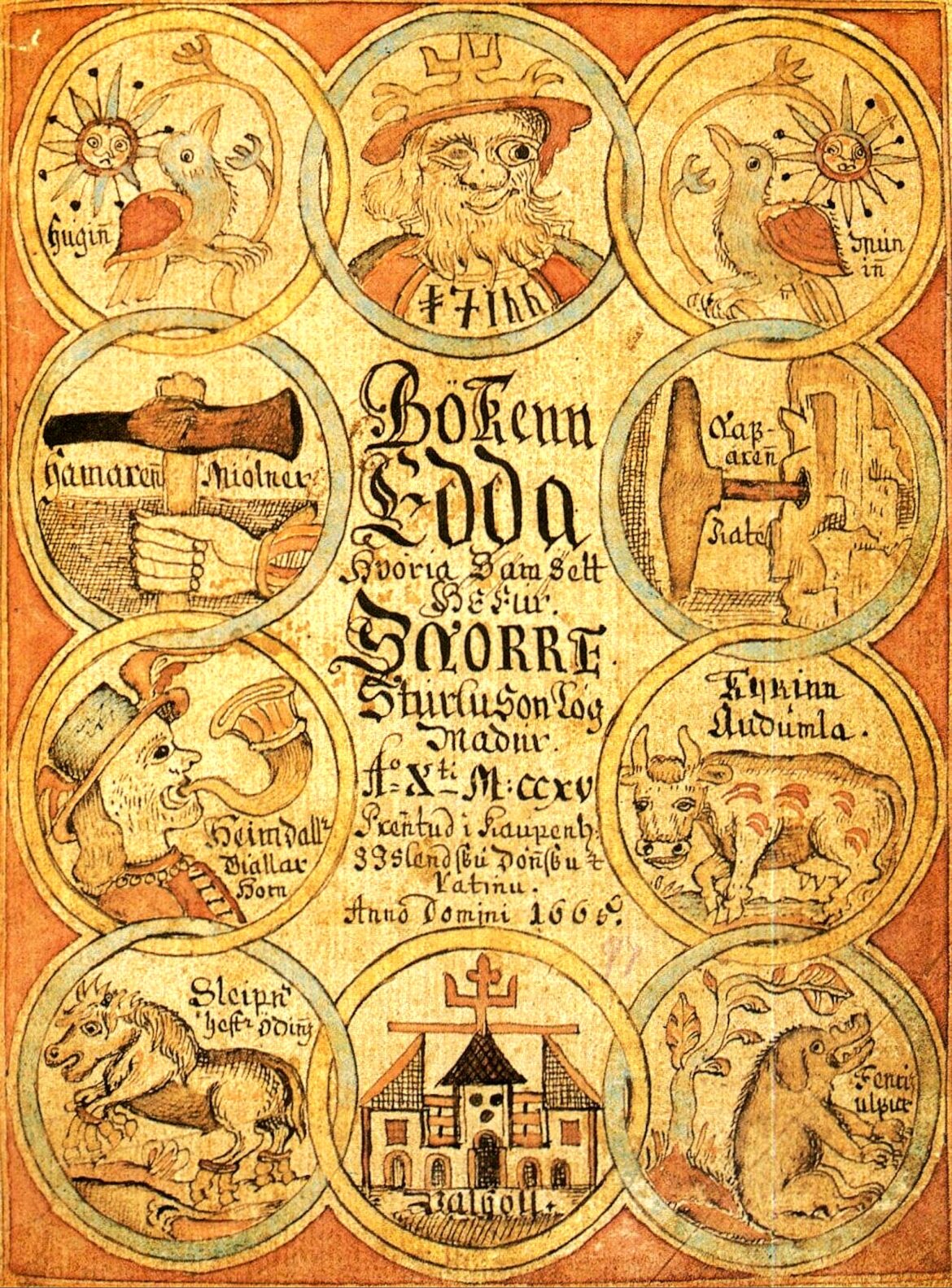
How should we imagine the gods of Germanic Paganism? Karl E.H. Seigfried argues for us to picture the gods not as figures frozen in the Viking Age, but as living, vital beings of the here and now.
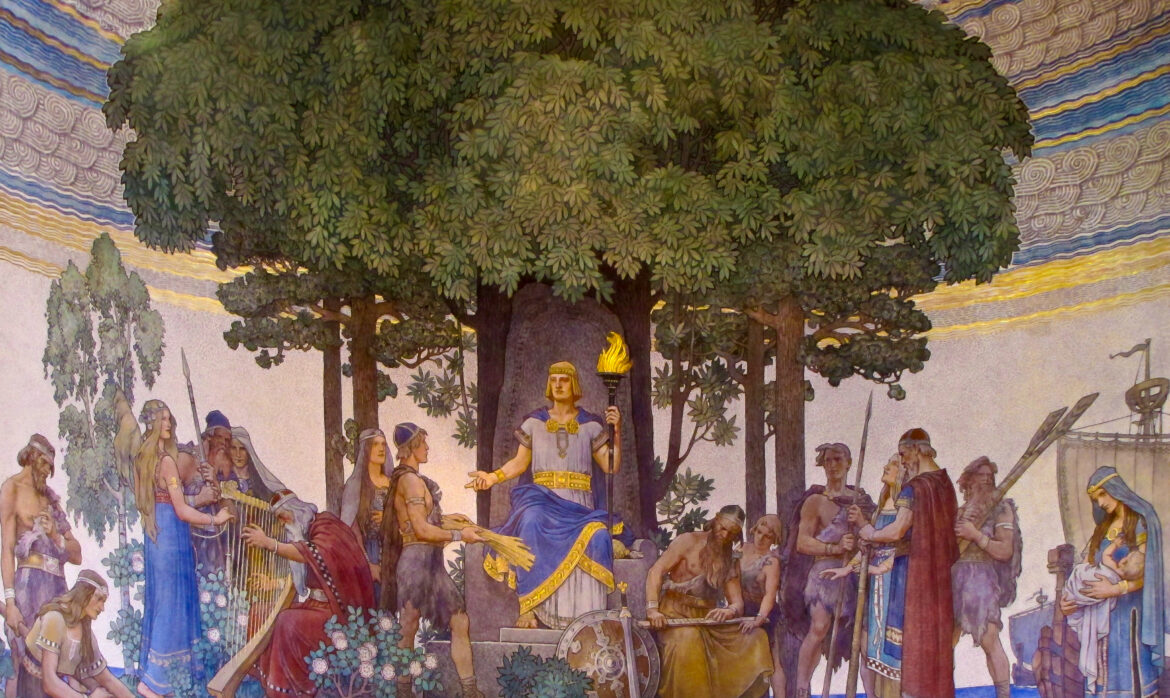
Maybe it’s not such a great idea to turn to writers from 1,000, or 2,000, or 3,000 years before the United Nations publicly published the Universal Declaration of Human Rights for teachings on the universality of human rights.
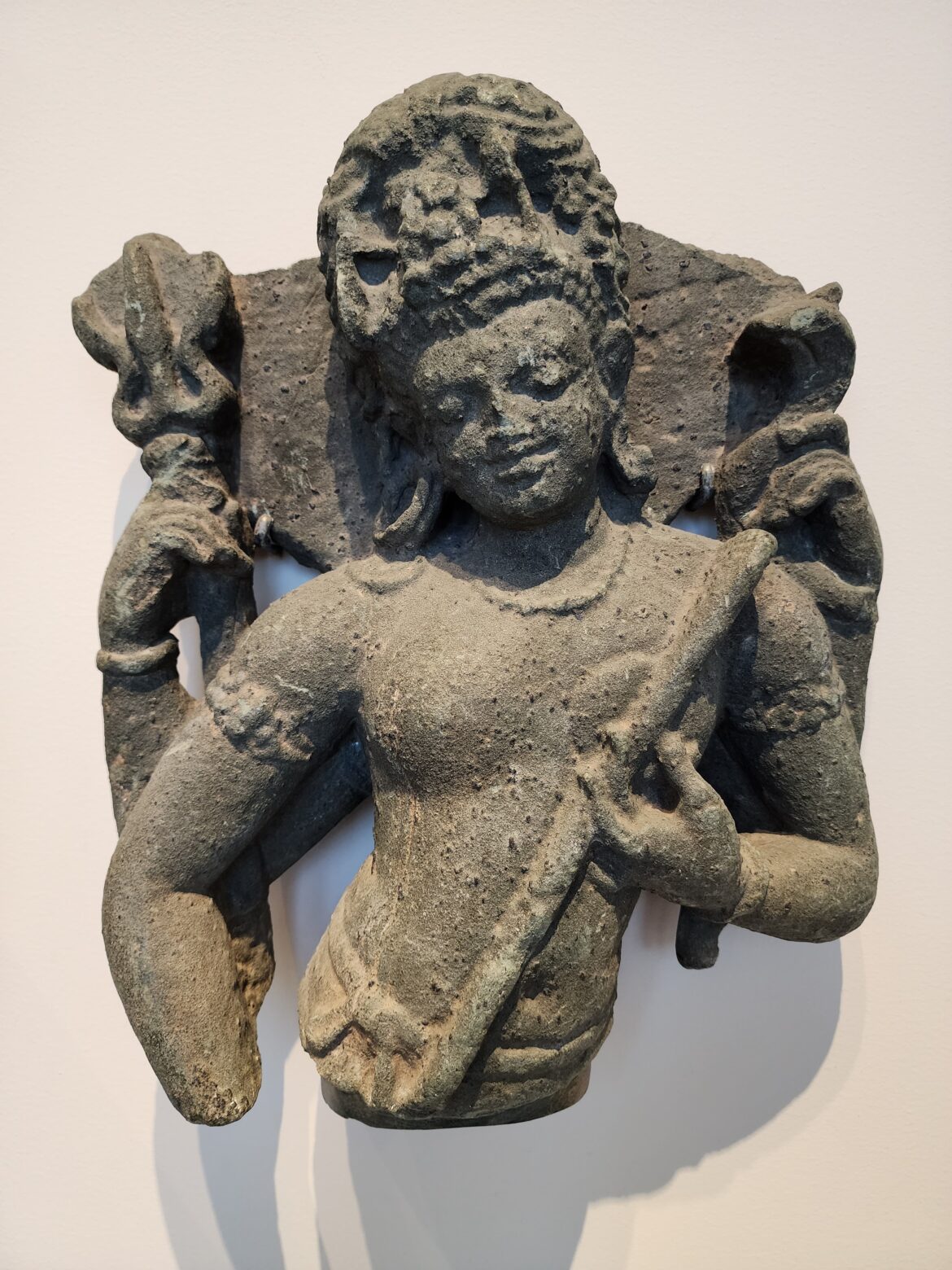
Here is the lesson. Without positive action, comparative mythology is (at best) a dry academic amusement and (at worst) an exercise in colonialist cultural appropriation. Rather than taking from Hinduism and calling it Heathenry, I suggest that we learn from a closely related tradition that has much to teach us.

We, the people, are down here under the massive roots of the World Tree. In this vision, we are not at the center of creation. We are not even at the center of attention.