Culture
Tyr, Thor, Monsters, and Macklemore
|
Drawing upon the models presented by the Norse gods Tyr and Thor, Karl E.H. Seigfried argues for the Heathen ethic of taking action against injustice despite personal costs.
The Wild Hunt (https://wildhunt.org/tag/loki)
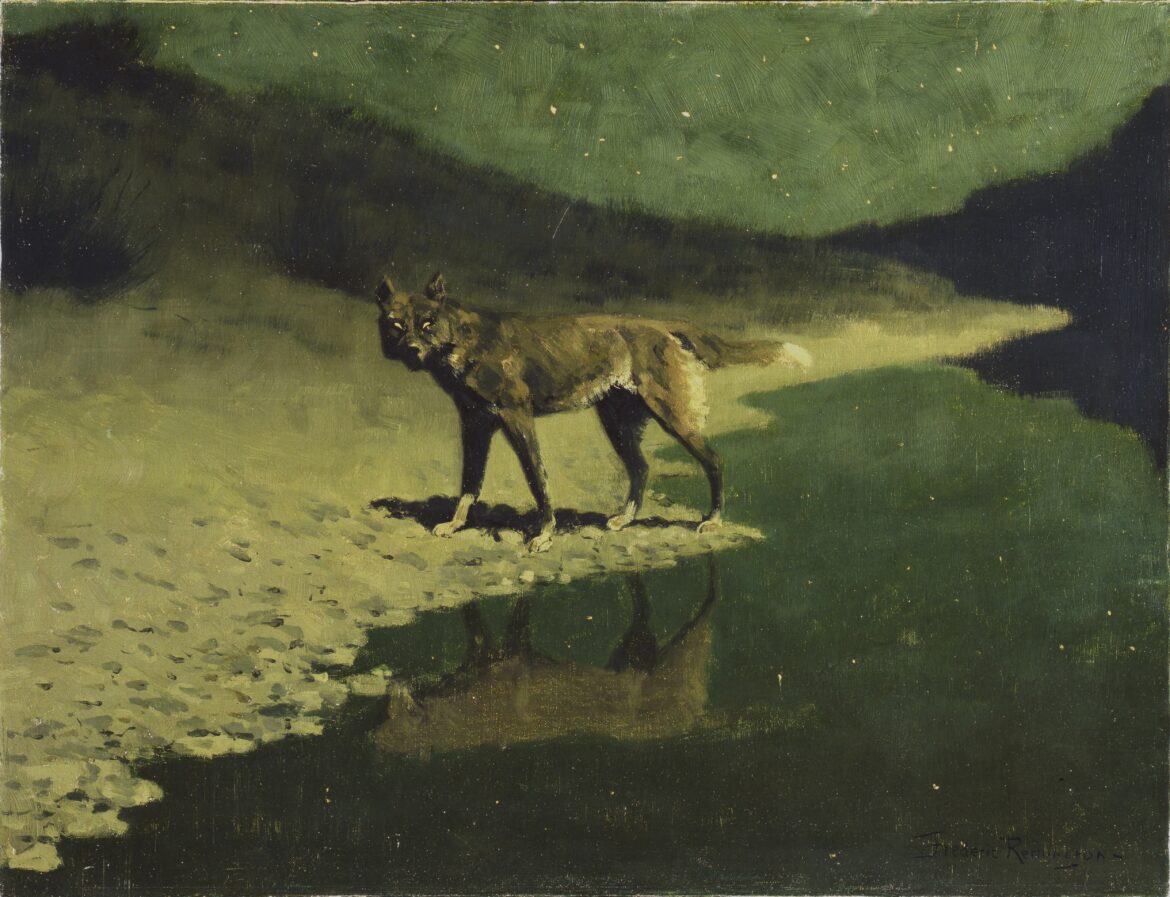
Drawing upon the models presented by the Norse gods Tyr and Thor, Karl E.H. Seigfried argues for the Heathen ethic of taking action against injustice despite personal costs.
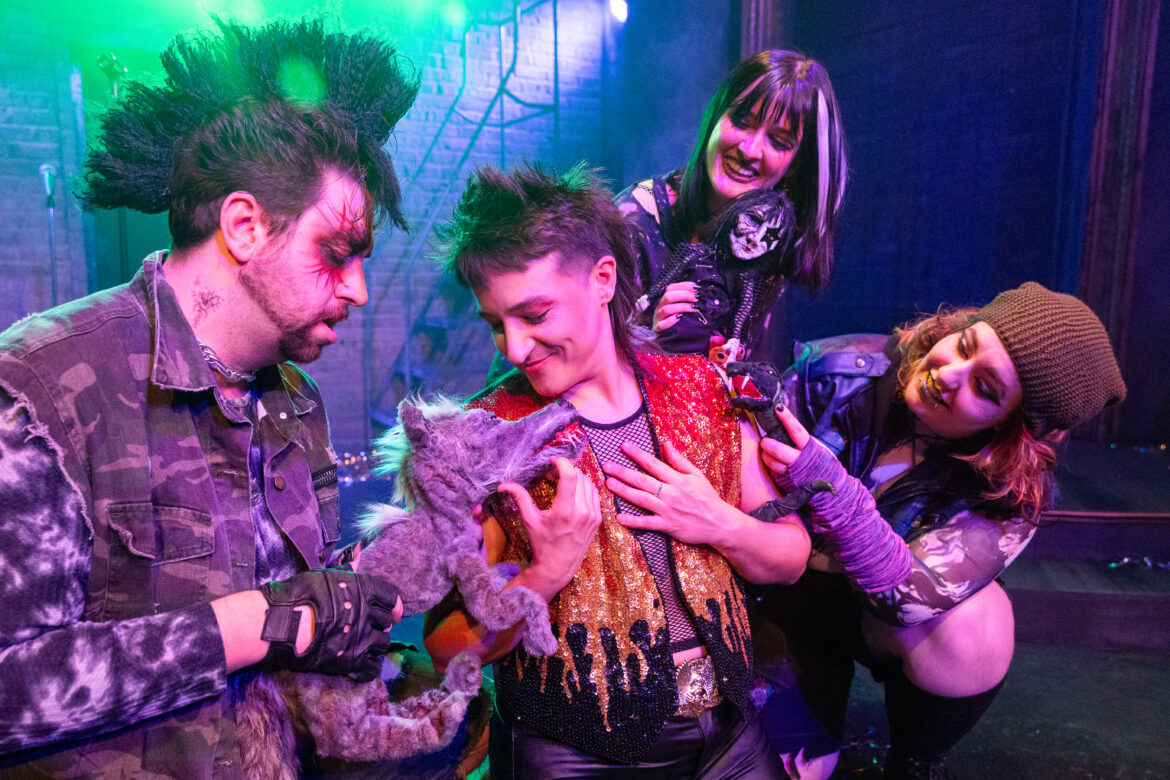
The Norse gods break hearts, the world, and the fourth wall in this new rock ‘n roll musical. Bat Collazo reviews the show, which is playing at Chicago’s Lifeline Theatre until June 27.



These days, it often feels like I have two choices. I can be myself and in danger, or I can be invisible and hope that I am safe – that nobody notices, that I am lucky, that none of the aspects I can’t control (my health, my class, the city I live in) are the one that get me. It’s no kind of choice at all.