
SACRAMENTO, Calif. — California lawmakers have approved legislation establishing new protections for the religious and spiritual practices of California Native American tribes on state-owned lands.
Assemblymember James C. Ramos (D-San Bernardino), the first and only California Native American currently serving in the state Legislature, introduced Assembly Bill 1881, the California Indian Freedom Act of 2026. He joined tribal leaders and supporters at an Aug. 27 rally at the State Capitol urging passage of the measure. Three days later, the Assembly concurred with Senate amendments, sending the bill through the enrollment process.
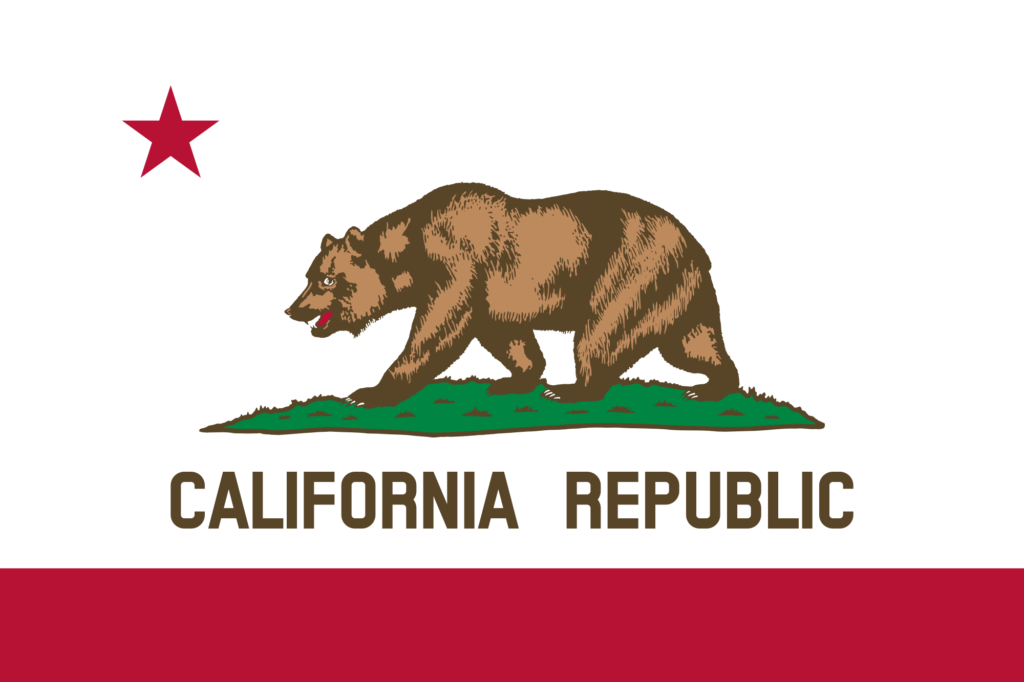
State Flag of California [Public Domain]
Beginning Jan. 1, 2028, the legislation would prohibit state agencies from substantially burdening the exercise of Native American religious beliefs or spiritual practices on state lands unless the government can demonstrate that the restriction serves a compelling governmental interest and uses the least restrictive means available. The compelling-interest and least-restrictive-means requirements establish a form of strict scrutiny similar to standards used in other religious-freedom laws.
The protections include access to sacred sites and ceremonial grounds, gathering traditional foods and plants used in ceremonies, and possessing culturally or religiously significant objects such as regalia, eagle feathers, traditional medicines, and ceremonial instruments. State agencies would also generally be required to allow California Indians access to sacred sites for religious, ceremonial, and cultural activities.
The measure provides additional protections when state actions could physically affect known sacred sites. State agencies would be required to seek and document the “free, prior, and informed consent” of affected tribes when proposed actions could destroy or substantially alter a sacred site, restrict access or privacy, or cause long-term environmental degradation affecting spiritual practices.
Information provided to government agencies identifying sacred sites, cultural landscapes, or religious practices would remain confidential and be exempt from California public-records requirements.
Ramos said the legislation addresses a history in which Native peoples were denied the ability to freely practice their religious and cultural traditions.
“After centuries of atrocities that included genocide, forced cultural assimilation including the separation of children from their parents, and the denial of basic civil rights such as the practice of their spiritual and cultural traditions, it is absurd that California’s First People should still be forced into demanding the civil rights already granted to others,” Ramos said.
“This bill has received numerous letters of support highlighting the tribal communities’ unified voice in wanting to strengthen protections for our freedom to exercise religious and spiritual practices on state lands.”
The Legislature similarly cited California’s history of suppressing Indigenous religions and dispossessing Native peoples of traditional lands, as well as limitations in existing federal religious-freedom protections, in explaining the need for the legislation.
The legislation has also drawn opposition from a coalition of business groups, water agencies, and local governments led by the California Chamber of Commerce. Opponents argue that the requirement for “free, prior, and informed consent” could give affected tribes significant influence over infrastructure and land-management projects on state property.
Water projects have been a particular point of contention. Because sacred sites and traditional religious practices may involve rivers, waterways, and other water resources, opponents contend that the consent requirement could affect some state water and infrastructure projects. Supporters maintain that the provisions are necessary to prevent government projects from damaging sacred sites or interfering with Indigenous religious practices.
Ramos narrowed the legislation during the legislative process. Earlier versions included tribal sites and activities on city and county lands, while the current measure applies to state lands. Amendments also added an exception for public safety and security and exempted decisions by the State Water Resources Control Board.
Ramos has narrowed the legislation during the legislative process. Earlier versions included tribal sites and activities on city and county lands, while the current measure applies to state lands. Amendments also added an exception for public safety and security and exempted decisions by the State Water Resources Control Board.
Supporters argue that existing requirements for government consultation with tribes have not provided sufficient protection. Morning Star Gali, a member of the Pit River Tribe and executive director of Indigenous Justice, which sponsored the legislation, told the San Francisco Chronicle that the goal is to ensure consultation is meaningful rather than simply a procedural requirement.
The bill has now passed both the California Assembly and Senate and goes to Gov. Gavin Newsom, who has until the end of September to sign or veto the legislation.
The Wild Hunt is not responsible for links to external content.
To join a conversation on this post:
Visit our The Wild Hunt subreddit! Point your favorite browser to https://www.reddit.com/r/The_Wild_Hunt_News/, then click “JOIN”. Make sure to click the bell, too, to be notified of new articles posted to our subreddit.