
WASHINGTON — A coalition of religious endorsers representing a broad range of faith traditions has issued a joint letter expressing concern over the U.S. Department of Defense’s recent decision to significantly reduce the number of recognized religious affiliation codes available to service members. Sent on June 5, 2026, and addressed to Defense Secretary Pete Hegseth, with copies provided to military chaplaincy leadership, the letter argues that the changes diminish religious visibility and may adversely affect pastoral care, religious accommodations, and service members’ ability to have their faith identities accurately recognized.
“We, the undersigned religious bodies and representatives,” the letter read, “write in common cause to express our grave concern regarding the recent revisions to the Religious Affiliations Code List administered under the authority of the Secretary of War.”
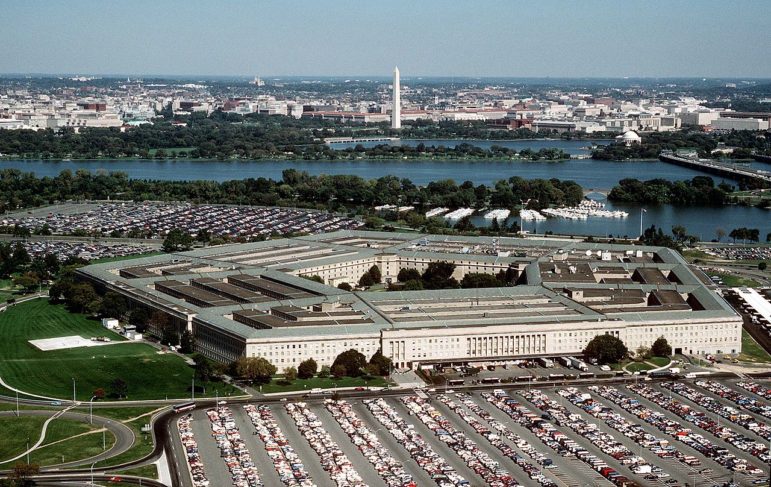
US Pentagon [Public Domain
An Ecclesiastical Endorser is an official representative of a specific religious organization or faith group who is authorized to certify that a member of their clergy is qualified to serve as a military chaplain in the United States Department of Defense (DoD). The military relies on the religious organizations themselves to vet their own leaders. Essentially, they act as the essential bridge between a civilian religious body and the United States military.
To be recognized by the DoD, an ecclesiastical endorsing agency must be officially registered and approved by the Armed Forces Chaplains Board (AFCB). The endorser must certify that the chaplain is capable of ministry in a pluralistic environment—meaning they must be willing to support the free exercise of religion for all service members, even those of different faiths or no faith at all, without compromising their own religious tenets.
The endorsers acknowledge the Department’s interest in streamlining administrative systems but contend that religious affiliation codes serve purposes beyond record keeping. “We affirm the Department of War’s responsibility to maintain efficient systems,” the letter reads. “But efficiency cannot come at the expense of religious liberty, pastoral care, equal respect, or the accurate recognition of the people who serve. A military that asks people of every faith and conscience to serve must also be prepared to recognize and care for them with precision, humility, and fairness.”
The endorsers note in their letter that the codes help military leaders and chaplains understand the religious composition of the force, facilitate appropriate spiritual support, and signal institutional respect for religious diversity. The authors warn that consolidating or eliminating faith categories can create a sense of erasure for minority religious communities and obscure important distinctions related to worship practices, clergy access, holy days, dietary requirements, burial customs, and other aspects of religious life.
The letter further argues that accurate religious data assists chaplains in connecting service members with appropriate faith leaders and helps religious organizations advocate for accommodations and resources. The endorsers state that the revised list removed or obscured several established faith communities, including the Christian Church (Disciples of Christ), Historically Black Churches, the Unitarian Universalist Association, the United Church of Christ, and Wiccan and Pagan practitioners.
In response, the coalition calls on the Department of Defense to restore the removed religious affiliation codes, publish the criteria and rationale used in revising the list, and establish a transparent consultation process for future changes. The letter also urges military officials to reaffirm that every service member has the right to identify with the religion they practice, or with no religion at all, and to have that identity accurately reflected in military administrative systems.
We respectfully call upon the Department of War to:
- Restore the religious affiliation codes removed in the recent revision, including but not limited to those for the Christian Church (Disciples of Christ), the Unitarian Universalist Association, the United Church of Christ, Historically Black Churches, and Wiccan and Pagan practitioners;
- Publish the criteria, rationale, and selection process used to revise the Religious Affiliations Code List;
- Establish a transparent, consultative process for any future modifications to the Religious Affiliations Code List, including formal engagement with affected denominations, faith communities, and chaplaincy endorsing agencies before implementation; and
- Affirm, in policy and practice, that every service member has the right to identify with the religion they actually practice, or with no religion at all, and that the administrative systems of the armed forces will be structured to honor that right
The statement was signed by endorsers from a wide range of Christian denominations as well as other religious organizations.
Signatories included representatives of the Christian Church (Disciples of Christ), the Episcopal Church, the Presbyterian Church (USA), the United Church of Christ, the Unitarian Universalist Association, and several Baptist organizations.
Among the signatories was also Circle Sanctuary’s representative, Rev. Selena Fox, who joined other faith leaders in calling for broader recognition of religious diversity within the armed forces.
As of publication, the Department of Defense had not publicly responded to the letter or indicated whether it would reconsider the revisions to the Religious Affiliations Code List.
The Wild Hunt is not responsible for links to external content.
To join a conversation on this post:
Visit our The Wild Hunt subreddit! Point your favorite browser to https://www.reddit.com/r/The_Wild_Hunt_News/, then click “JOIN”. Make sure to click the bell, too, to be notified of new articles posted to our subreddit.