

Uncovering the Past
SFÂNTU GHEORGHE, Romania — Archaeologists in central Romania have uncovered a rare and evocative clay figurine described as a female figure “with arms wide open, as if in prayer.” The figure dates back roughly 7,500 years and offers a remarkable glimpse into the spiritual life of some of Europe’s earliest farming communities.
The discovery was announced last week by the Muzeul Naţional al Carpaţilor Răsăriteni (MNCR), the National Museum of the Eastern Carpathians. The small statuette was found during legally required preventive excavations at the archaeological site of Arcuș – Platoul Târgului (Vásártető), on the outskirts of Sfântu Gheorghe in the center of the country. Mundane infrastructure work to extend electrical connections near the Sepsi Arena prompted the archeologists to review the area. What began as routine fieldwork quickly turned extraordinary.
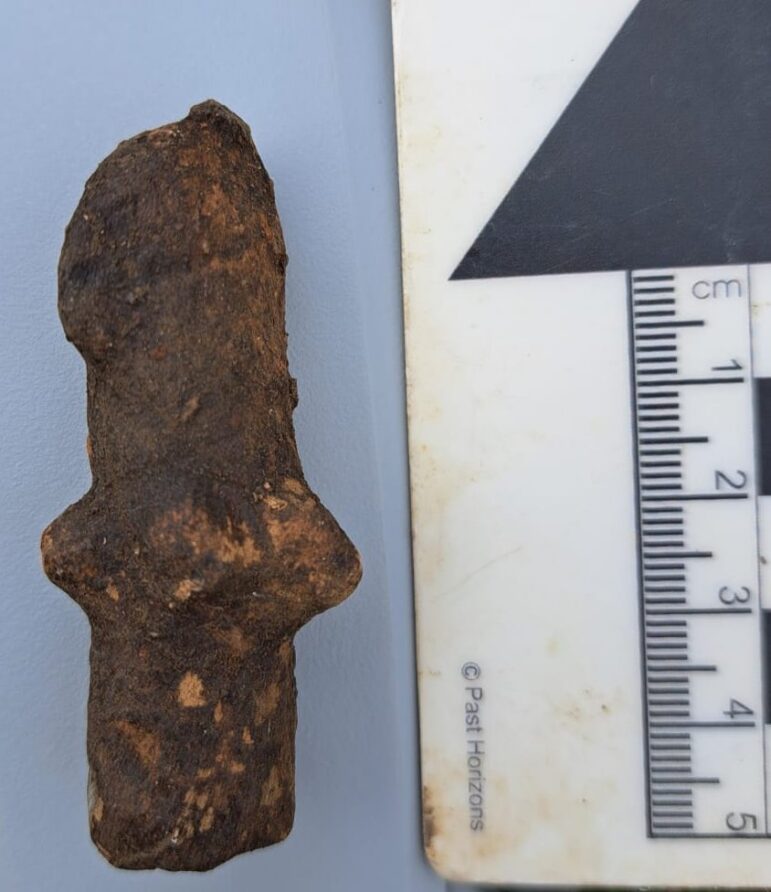
Within the remains of a Neolithic settlement dated between 5800 and 5500 BCE, archaeologists uncovered traces of ancient dwellings, pottery fragments, burnt clay, and charcoal deposits. Inside one structure more than seven millennia old, among the debris of daily domestic life, lay the carefully modeled clay figure.
Measuring only six centimeters (just under 2.5 inches) in height, the figurine is modest in scale but striking in presence. It was crafted from clay tempered with chaff and sand, a common strengthening technique. Baked at high temperatures, the object bears a light brick-red coloration, with darker brown shading along the front suggesting uneven exposure to heat, perhaps the mark of a Neolithic hearth or kiln.
Though the face lacks elaborate detail, several incised features stand out. The eyes are rendered as distinct “V”-shaped cuts, and a small oval ridge marks the nose. Fine engraved lines trace what appears to be long hair gathered into a bun, potentially one of the earliest depictions of a female hairstyle north of the Danube River. These subtle gestures of artistry transform the object from abstraction into personality.
Two small protrusions on the torso clearly suggest the figure as female. The arms extend laterally in a raised posture long associated in Neolithic art with invocation or ritual gesture. The stance suggests communication, whether with community, ancestors, or the divine.
The settlement has been attributed to the Starčevo-Criș culture, one of the earliest agricultural cultures in southeastern Europe. Emerging in the early Neolithic period, these communities were among the first in the region to establish permanent villages, cultivate crops, and domesticate animals, marking a pivotal shift from mobile hunter-gatherer lifeways to settled agricultural existence.
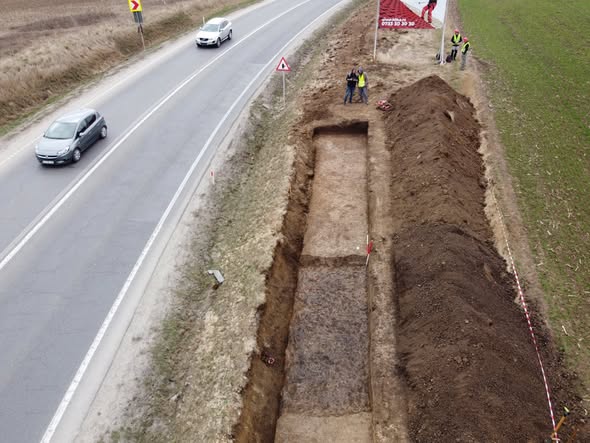
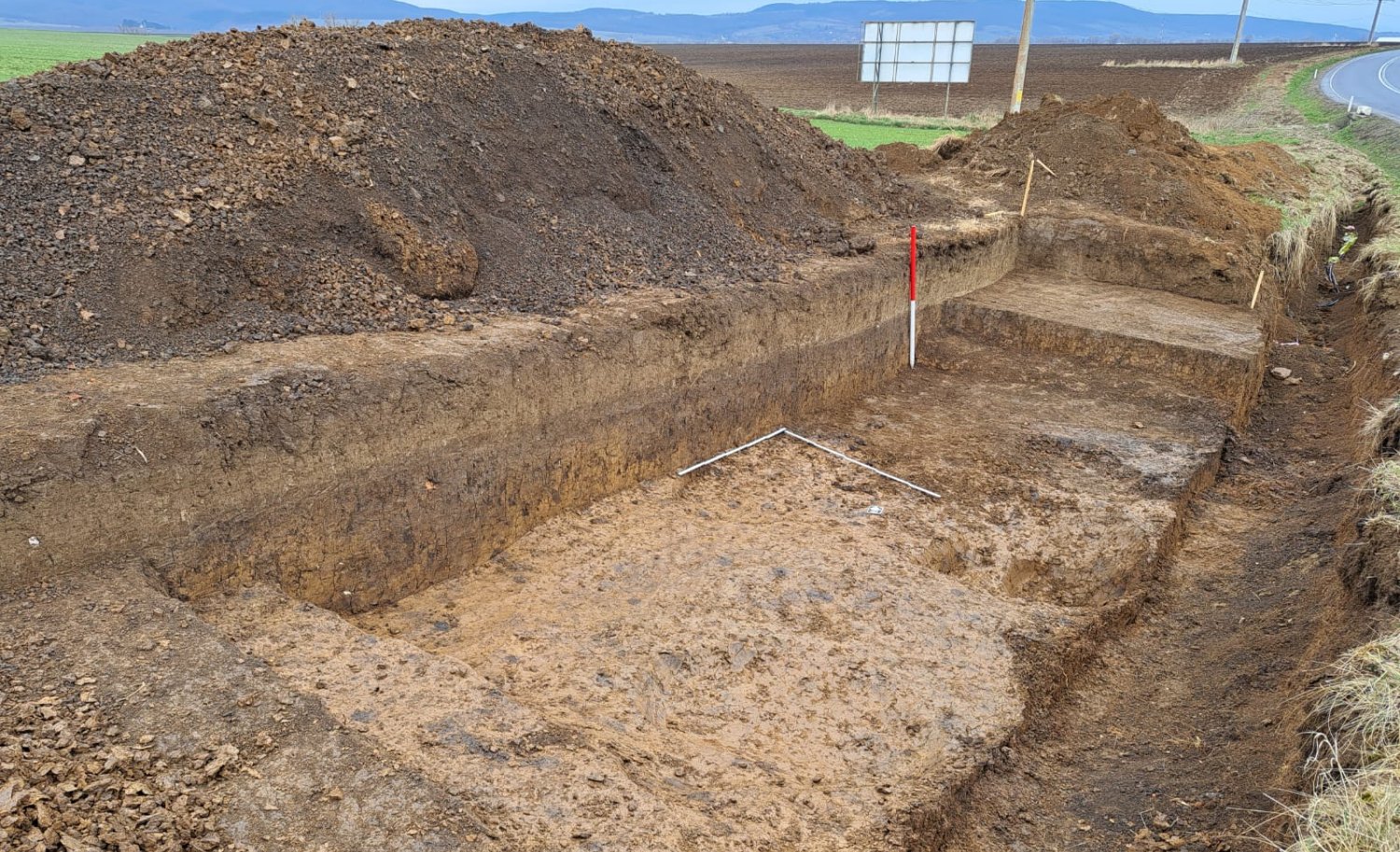
Clay figurines are relatively rare within the Starčevo-Criș cultural horizon, making this discovery especially significant. Most previously documented examples have been found in Banat or along the Criș River basin, and many are labeled “Venus” figurines, statuettes characterized by exaggerated hips and pronounced fertility attributes.
The Arcuș figure differs markedly. Its silhouette is slender and restrained, lacking dramatic anatomical emphasis. Rather than accentuating fertility features, the artist focused on posture and gesture. The result feels less like an emblem of physical abundance and more like a moment captured in action, arms lifted, body upright.
This distinction may reflect regional stylistic variation or a different symbolic function. While fertility themes dominated many Neolithic female representations, not all such figures necessarily served identical purposes.
The figure may have functioned as a votive offering placed within a dwelling, a household amulet associated with protection or continuity, or an object used in domestic ritual practice. Definitive conclusions remain elusive, but the figurine clearly belonged to a lived environment where symbolic meaning shaped daily life.
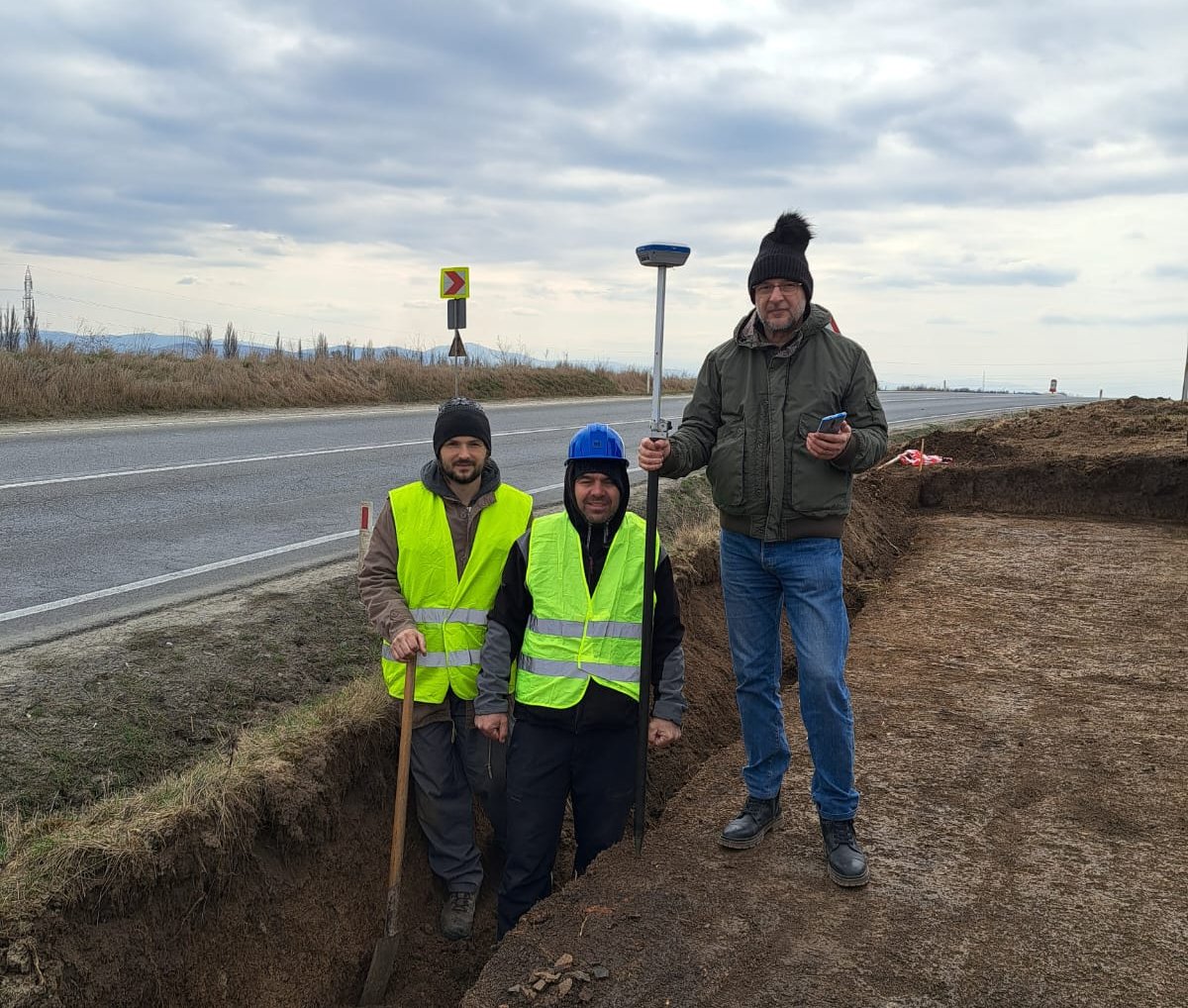
The excavation was led by Dr. Dan-Călin Ștefan, with team members Dr. Dan-Lucian Buzea and Dr. Puskás Jozsef. Independent collaborators included Dr. Nicoleta Paula Mazăre, Dr. Florentina Mărcuți, and Dr. Marius Mihai Ciută. Their work ensured careful documentation and preservation of the site before construction advanced.
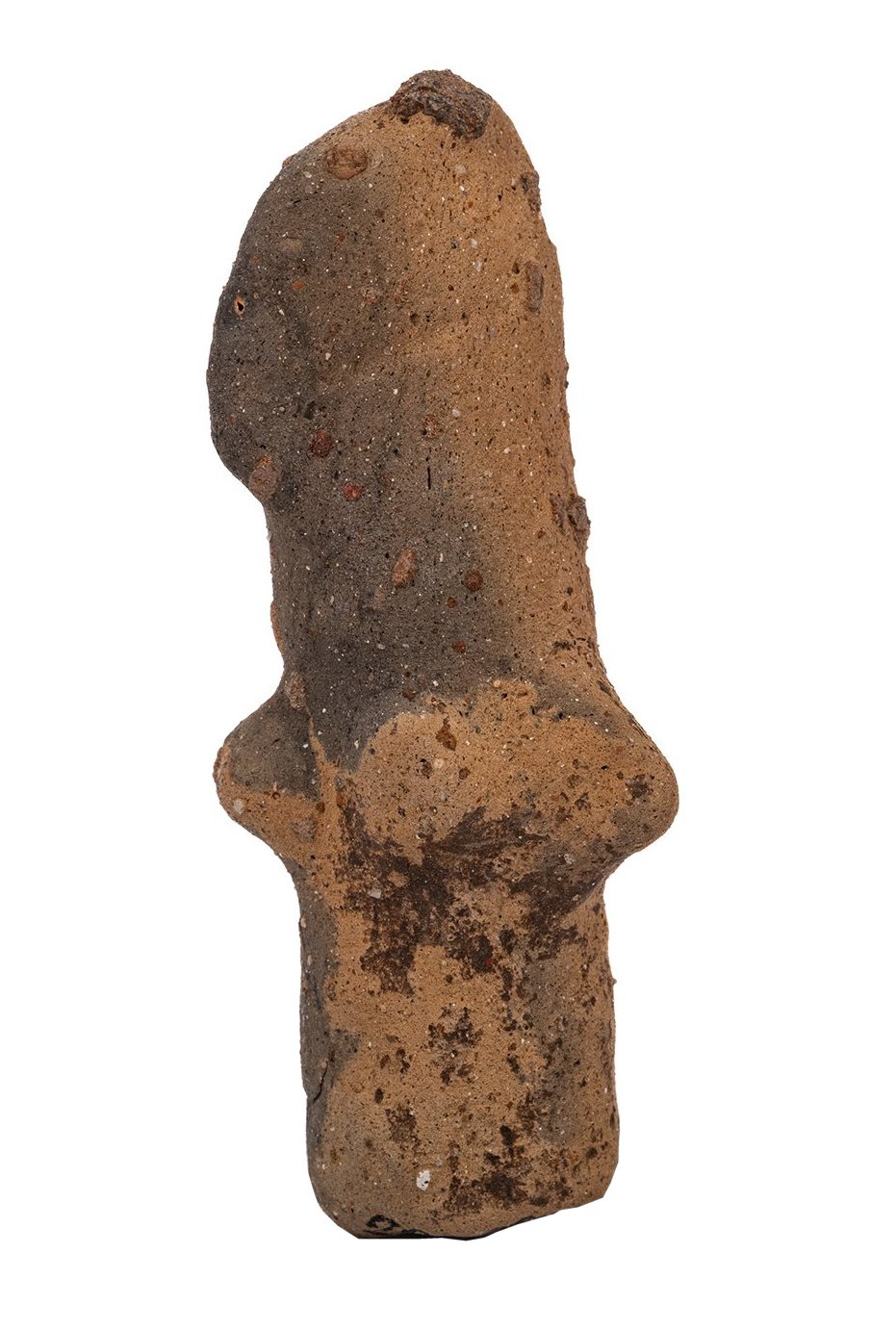

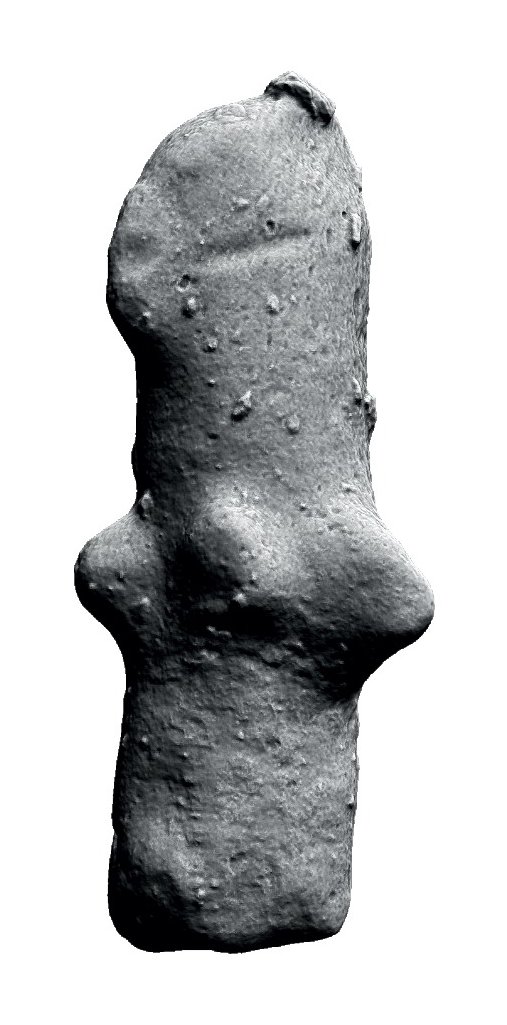
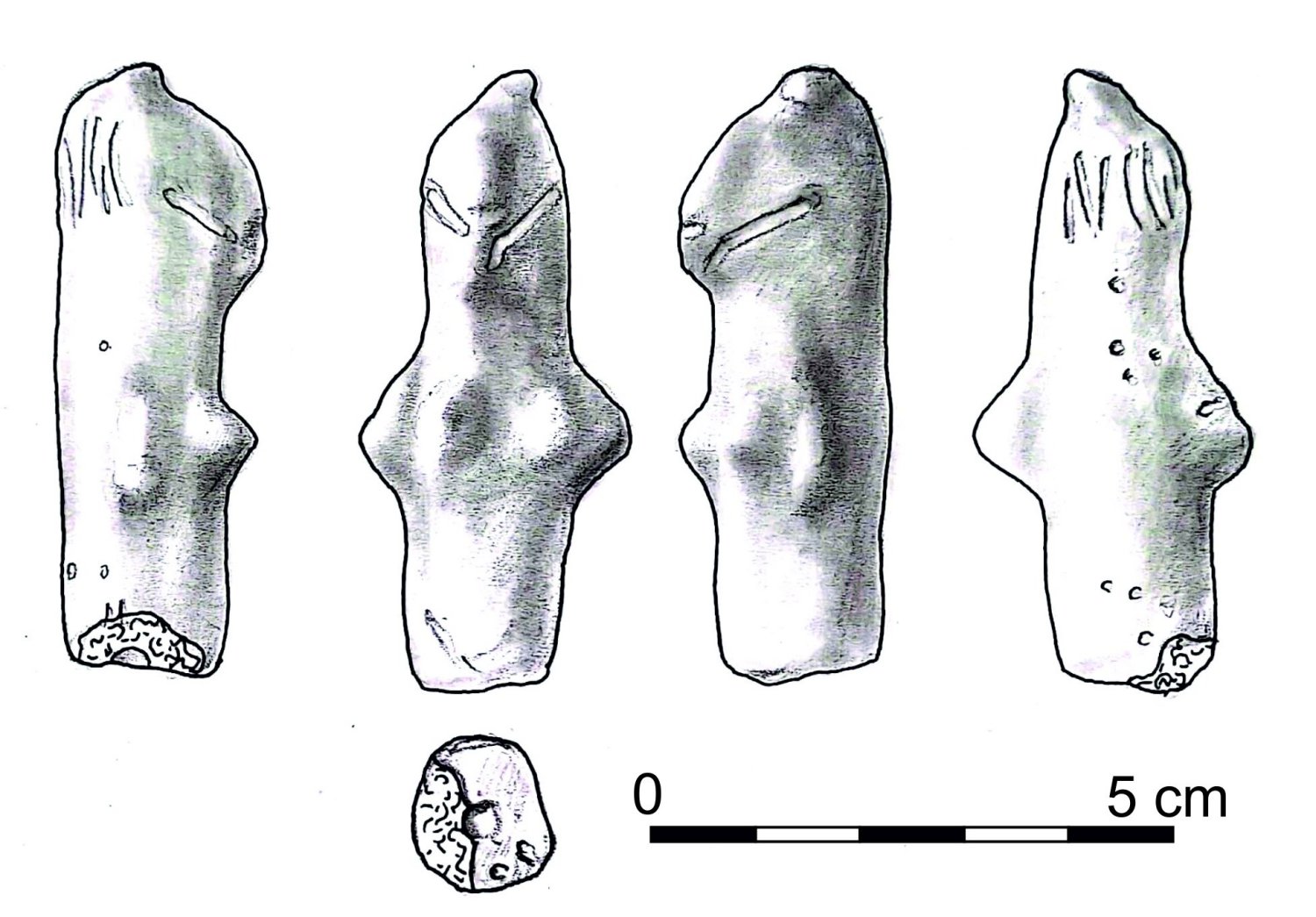
The excitement surrounding the find prompted a brief public exhibition. The figurine was displayed for four hours on February 14, 2026, and is expected to return to public view after further study and conservation.
More than seven millennia after it was shaped, the small clay woman from Arcuș emerges as a messenger from a transformative age. Though nowhere near as ancient as the famed Venus of Willendorf, which dates to roughly 28,000–30,000 BCE, the Sfântu Gheorghe figurine offers its own glimpse into a world in transition, where farming reshaped daily life and symbolic forms carried the weight of belief, hope, and connection. While her precise meaning may remain elusive, she may now help us bridge millennia to the first villages along the Carpathians.
The Wild Hunt is not responsible for links to external content.
To join a conversation on this post:
Visit our The Wild Hunt subreddit! Point your favorite browser to https://www.reddit.com/r/The_Wild_Hunt_News/, then click “JOIN”. Make sure to click the bell, too, to be notified of new articles posted to our subreddit.